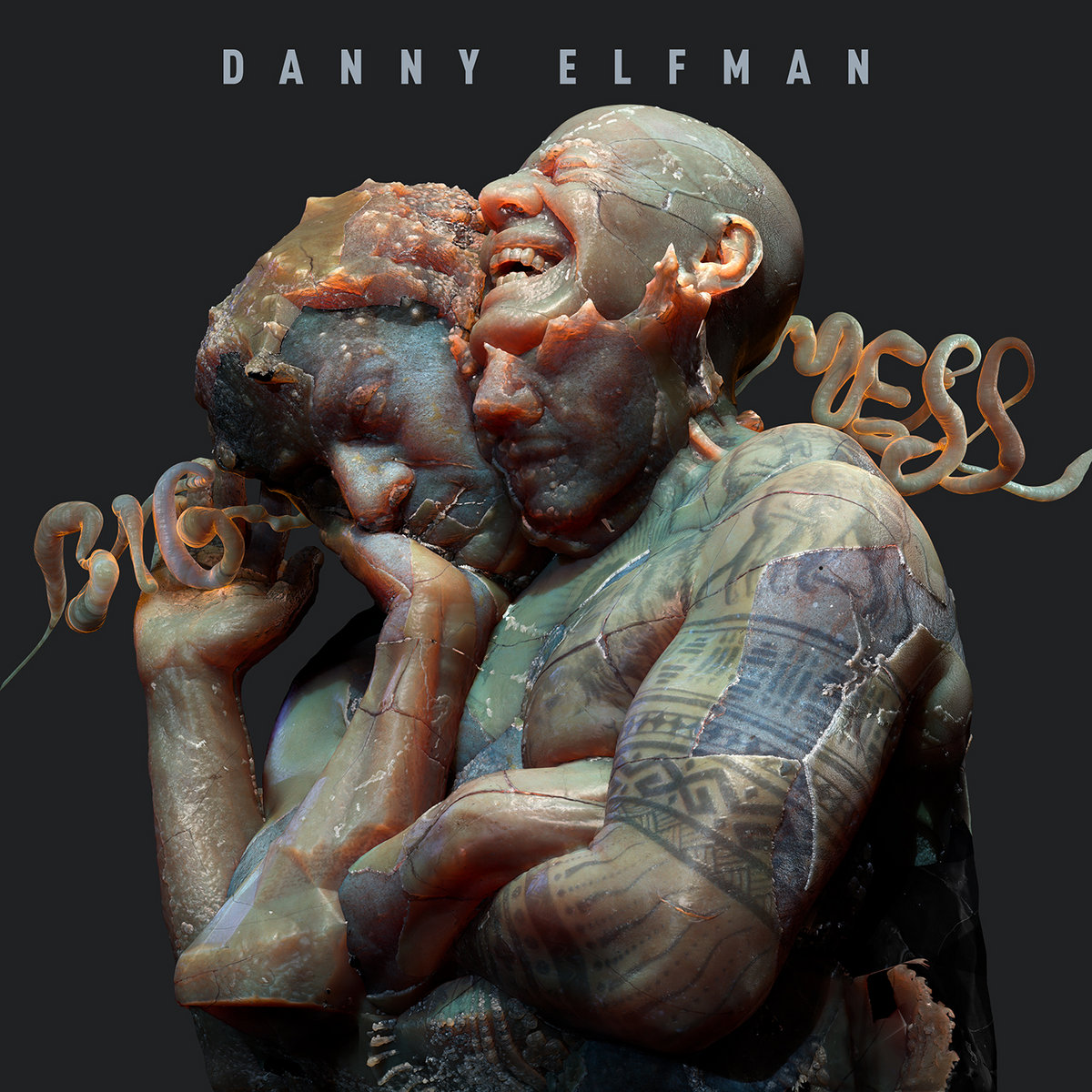
Danny Elfman – Big Mess (2021)

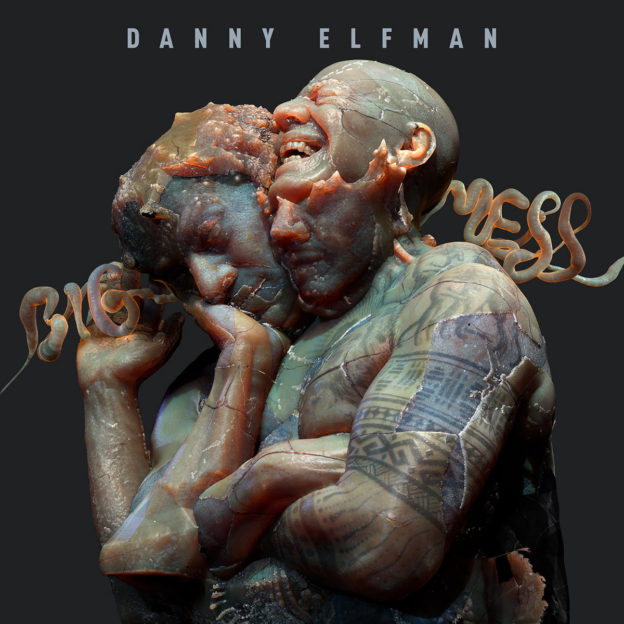
Danny Elfman - Big Mess

I scratched the surface of this album in the most recent Newer Release Roundup, but I have so much more to say about it that it deserves to be bumped up the Album Review queue.

Big Mess is Danny Elfman’s first studio album rock record since Oingo Boingo’s Boingo from 1994. Technically, it’s his first solo studio album rock record since So-Lo in 1984 (although only in name, he had the whole Oingo Boingo band with him for that one). In the 27 years since Boingo, Elfman’s focus has almost entirely been on his film scoring and orchestral composition work due to a) losing interest in the band altogether, and b) losing his hearing over the course of the years due to live performances. He hadn’t stepped foot on stage to sing at all until 2013 for a series of concerts related to the Tim Burton movies, and it has been infrequent since. I had always thought that Elfman lost his chops and wasn’t fit to perform vocals anymore, but that’s not the case. And this record proves that he really can still sing, ah, but I’m getting ahead of myself already.

In early 2020, Elfman was working on a retrospective project featuring a couple of new songs (in this case, “Sorry” and “Happy”), some reworked versions of film score music, and some reworked versions of Oingo Boingo songs, all slated to debut as part of Coachella that year. For obvious reasons, it didn’t happen. And since Elfman likely found himself restless amidst an indefinite halt on movie production, he just started writing song after song completely off the cuff during that summer. “Once I started I couldn’t stop”, he said. 18 songs later, he had an album on his hands that he had no idea he was going to make only a few months earlier! And here I am farting around on a computer doing nothing with my life! Just kidding! Maybe.

As a huge Oingo Boingo fan, and a reasonable Danny Elfman fan, I was beyond cautious going into this. It took me over a week to work up the nerve to even listen to it for the first time. I had to make sure my environment, my mood, my stress level, and my alertness was prepared for it. I hadn’t heard a single new Elfman rock song since I was a teenager, I didn’t want anything (outside of the music itself, of course) to paint my perception poorly. And, wow, that introduction in “Sorry” that builds and builds with the drums, the strings, the female voices chanting “I’m so…I’m so…soooorrrry/I’m so-so-so-/I’m so- I’m so-…” back and forth in both channels, the crescendos throughout that never end until the very last note of the song, Danny’s voice returning after 25 years with such genuine ferocity, incredulity, and anguish,  it was an incredible experience to say the very least! “Sorry” is intense and cinematic just like “Insanity” was for Boingo, except the energy is fresh and updated! Elfman is actually yelling instead of singing at the end, wow! This is a contender for the one of the best rock songs that Elfman has ever written! The only problem is, I think, just maybe, the production is a little muddy? Elfman’s voice is so forward in the mix that it’s suffocating, but every instrument also seem to be fighting for a front seat as well. Am I just imagining it? Maybe? Oh well, let me move on…

Wow, those strings at the beginning of “True” are tense! It almost feels like his take on doom metal. But wait, right away I have this nagging feeling again that the sound seems murky, choppy, and hazy. Is it my headphones? All the elements of the sound seem to be piled on top of each other. What’s going on?

And then song after song it never gets better. The sound quality doesn’t match the epic scope of the musical theatrics whatsoever. It’s so noticeable that it’s too distracting, and at 72 minutes it’s almost impossible to get through completely in one session. Now, bear in mind, I’m no audiophile. My standards for recording quality are embarrassingly low. Big Mess is REALLY on a whole other level with this. I believe that Elfman’s hearing loss is part of the problem. He produced the album himself, which I don’t believe he does for his film soundtracks and scores. He shouldn’t have fucking done that. It’s irritating and frustrating.

It’s irritating and frustrating for so many reasons. These songs are good, I can tell. Elfman is tapping into some real outside-the-box musical ideas, combining elements of industrial rock, classical music, new wave, post-rock, and film score ambiance. The arrangements are technically breathtaking, and they match Danny’s trademark impish ethos with some added anger. But man, that production, everything is so crowded and oppressive and just plain ugly that you feel like to come up for occasional breaths of air and you can never break the surface. OK, for the defense again, Danny is pushing 70 and he sounds pretty good! It’s kind of cool that the dude wanted to basically make industrial metal at his age. But man, why does he still act like he’s trying way too hard to creep out his dad? It’s a little sad, right? AHHH! OK, how about this: elements of Elfman’s whole career is all over this record. I hear bouncy semblances of circus music everywhere, but I also hear his adult contemporary phase coming out a bit (parts of “Better Times” for example, sound to me like “Glory Be” from Oingo Boingo’s Dark at the End of the Tunnel) and then his alt-rock Nirvana wannabe side as well. But man, ugh, he’s trying to pack everything and the kitchen sink into every second of every song. OK, one more: it’s really interesting to hear him finally be blunt about the political and social climate, weaving in satirical takes on the current shitty times with authentic misanthropic contempt. That’s something I can relate to! But man, was that a sample from a Trump speech at the beginning of “Choose Your Side”? That’s not going to age well. In fact, why is he talking about Trump at all? I know he recorded this while Trump was still president, but it just seems out-of-touch for a 70ish-year-old guy to be late to the party like this on his hot political takes.

See? I’m torn. I love the guy, but I don’t love this. It makes me wonder how I would’ve felt listening to this at 16 years old. Maybe I grew up while Danny never did?

Here’s my final opinion: this album could’ve easily been broken up into two ~35 minute albums. With some resequencing, more time spent on polishing up the writing, hiring a different producer to mix and master, and a little less effusive attention-seeking behavior (“Kick Me/I’m a celebrity/Kick Me/I’m a celebrity/Kick Me/I’m a celebrity/Kick Me/I’m a celebrity/Losers not invited/Losers not invited/Losers not invited/Losers not invited” is obviously meant to be somewhat self-deprecating, but did he have to be so annoying and intrusive about it?), and we have ourselves a winner! But, no, this isn’t a winner. Danny Elfman is so legitimately talented too, it’s a real damn shame.

In theory, bad Danny Elfman is better than no Danny Elfman at all since no one else is doing anything like him on this planet, but if he keeps up with these sludgy monoliths I might have to just bow out gracefully at some point and continue to enjoy his historical works.

KINDA BAD

Major Parkinson

Major Parkinson
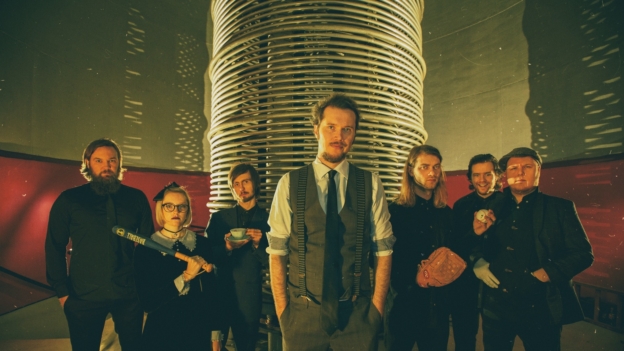
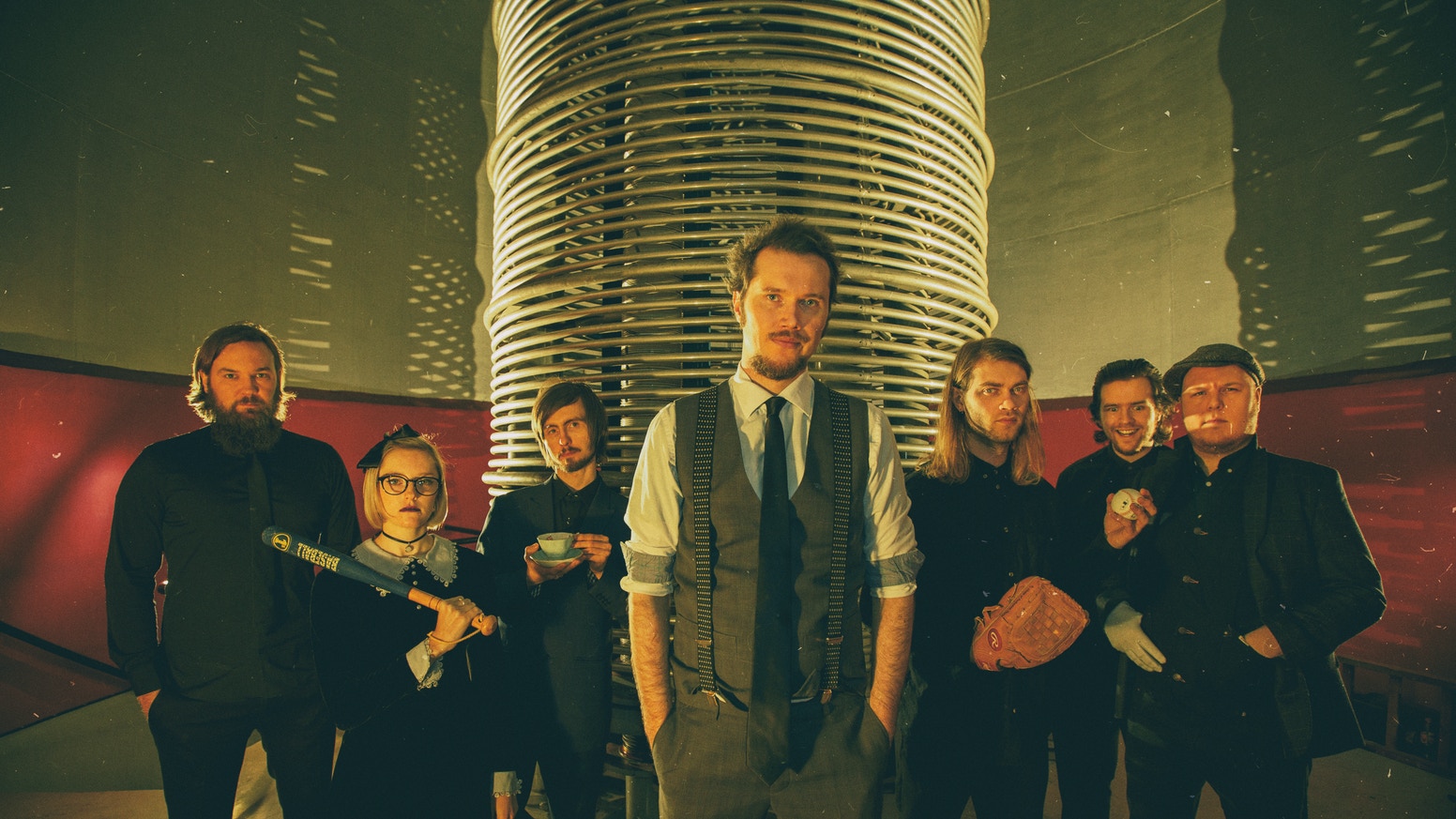
Major Parkinson is a gem flying waaay under the radar amongst unique, multifaceted rock music. Based out of Norway and formed in 2003, the band’s sound is an ever-evolving combination of classic rock, prog rock, hard rock, surf rock, blues, punk, dance, avant-pop, cabaret, metal, tango, ska, and more, all twisted up into a demented, diabolical amalgam. They draw their influences from, among others, Tom Waits, Captain Beefheart, Emerson, Lake, and Palmer, Yes, System of a Down, Gogol Bordello, and early 1900’s vaudville! They’re really good.

Likely doomed to obscurity forever for a number of reasons, I feel good doing my part to try to bring attention to these wonderfully bizarre musicians. You may not like all of it, but you’re guaranteed to like some of it. Even my wife loves this band and she hates everything I like!

Major Parkinson’s Bandcamp page

JUMP TO:
(2008) Major Parkinson
(2010) Songs from a Solitary Home
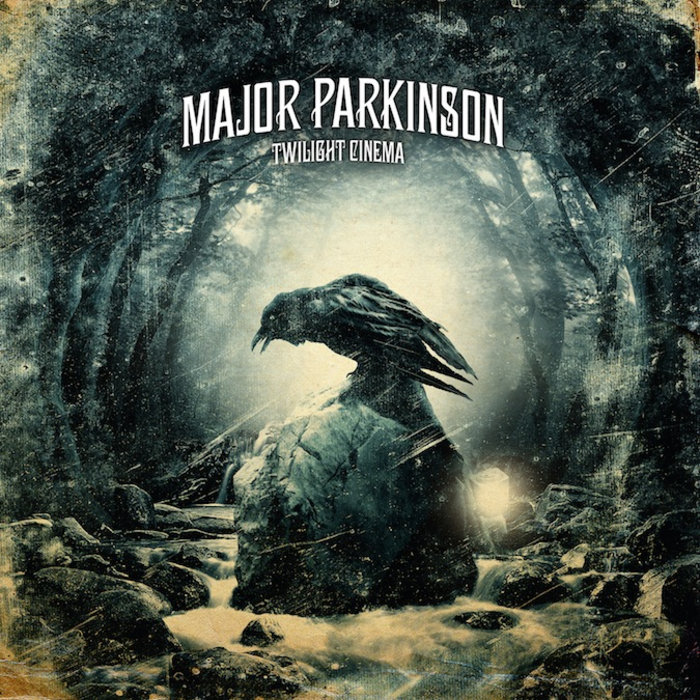
(2014) Twilight Cinema
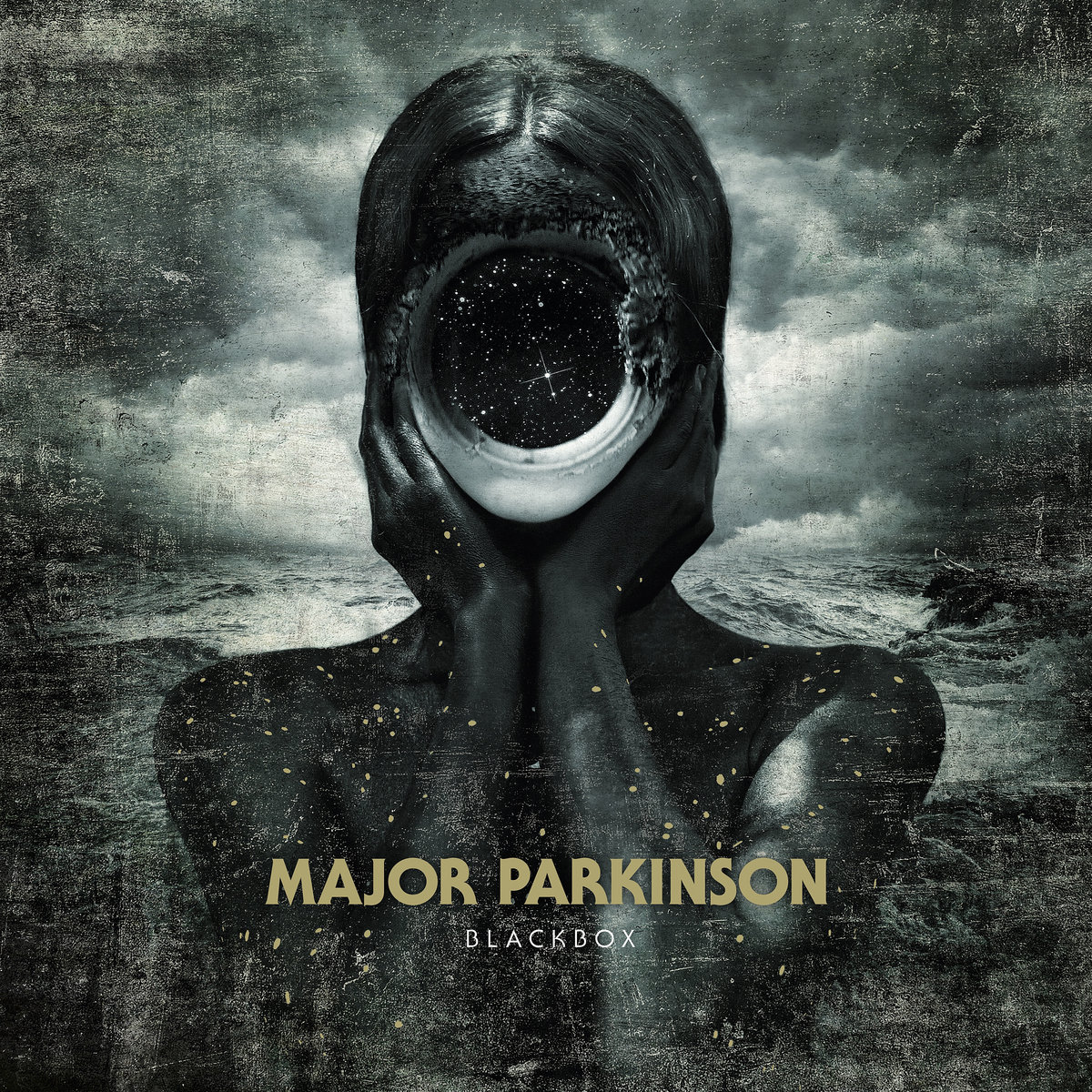
(2017) Blackbox
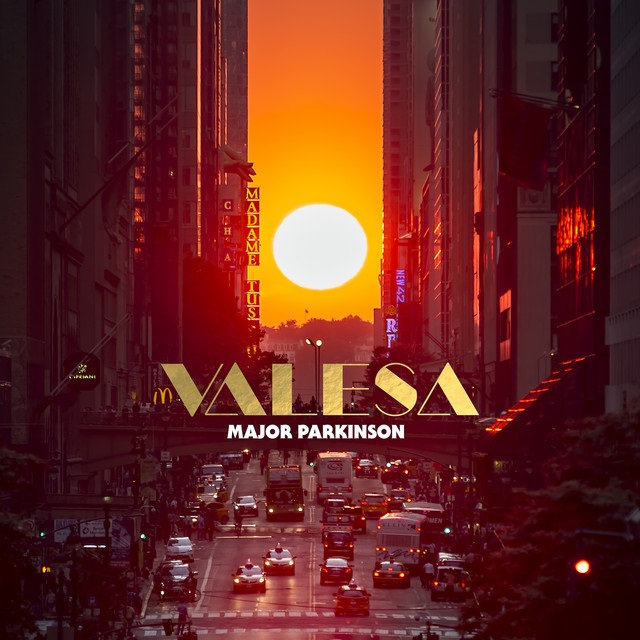
(2022) Valesa – Chapter 1: Velvet Prison


Major Parkinson (2008) – Rating: 8/10
Click Here for the Full Album Review

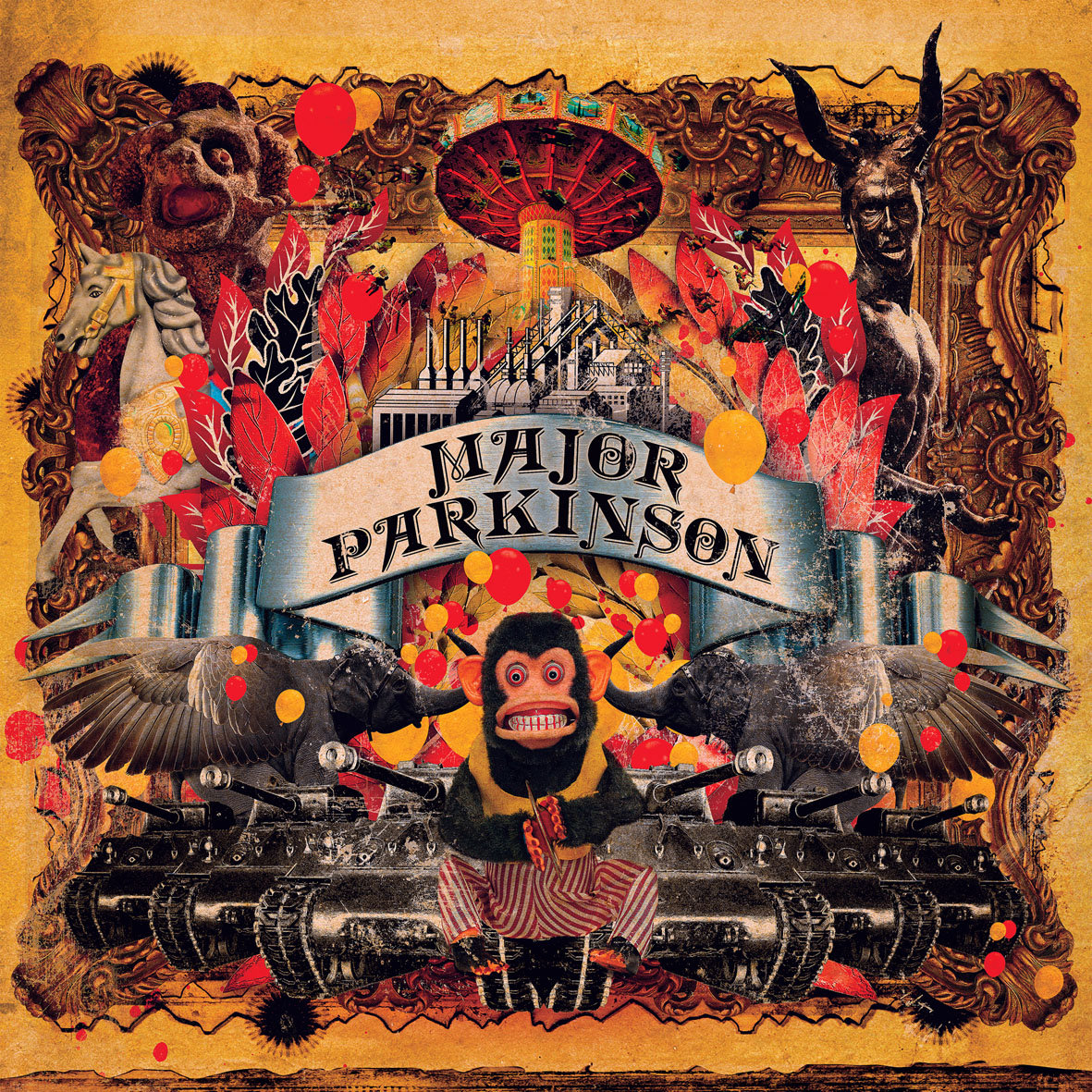
Major Parkinson - Major Parkinson

The humble self-titled debut is very much a brand new band finding its footing, and it’s the least progressive and the least tonally colorful album to date, but man is it good anyway. The band is already confident enough to be unabashedly weird, and the way they maintain a conscious effort to be listenable with a focus on melody makes everything very satisfying. Frankly, that’s harder to pull off than being weird and unlistenable. Anyone can do that.

Major Parkinson feels like a very stripped-down record, using not much more than basic rock instrumentation with traditional song structures. The “charm”, and I use that word loosely, comes from singer Jon Ivar Kollbotn’s distinct Tom Waits-meets-Bela Lugosi dark cabaret vocals and his desperate, theatrical approach to his delivery. Although the band is Norwegian, Kollbotn sings entirely in English, but it makes no fucking difference since his avantgarde poetic word-salad lyrics are impossible to decipher anyway. “I met a little girl on the marketplace/Born without a proper face/Made to fill that magical sensation/A lovely voice like a radio/Talking in a lavatory disarray/Jacuzzi conversation flow/It was the summer of 187“. It’s either a fundamental misunderstanding of English or he’s being a dick on purpose for the sake of art. Either way, I’m for it!

The whole debut is a tapestry of surf rock, cabaret, Indian raga-rock, ska-punk, jangle rock, and avant-pop. Not perfect because of too much homogeneity in the overall mood and a few songs fall flat, but I really cannot complain too much. Solid first album from a solid band.


Songs from a Solitary Home (2010) – Rating: 7/10
Click Here for the Full Album Review

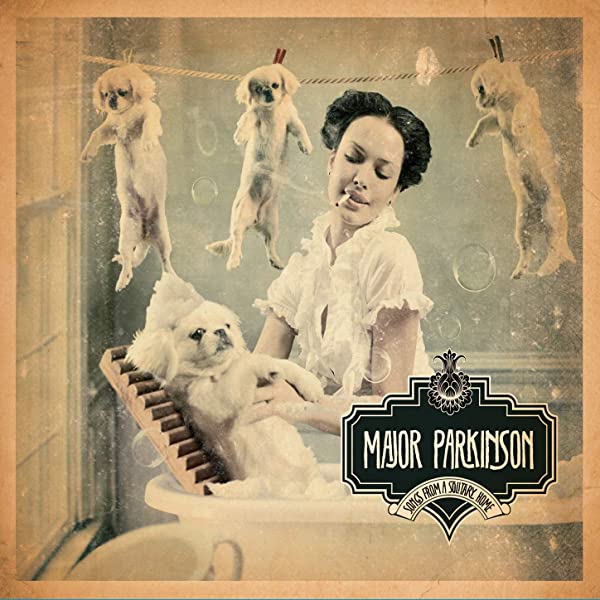
Major Parkinson - Songs from a Solitary Home

Songs from a Solitary Home is absolutely a transition album, combining the earlier precocious and raucous avant-punk with elements of the ambitious and atmospheric prog compositions that we’ll see with the next album. While structurally similar to the debut, the band begins to flex their ’70s progressive rock influence with more varied instrumentation and genre-bending, but keeps it reigned in without tipping the scales into excess.

The vocals and lyrics are still as strange and over-the-top as before, but we see a lot more of the mellow side here that was only hinted at with the debut in songs like the pleasant piano ballad “Card Boxes” or the honky-tonk ragtime number “Downtown Boogie”. The songs are more diverse, but there’s a lacking cohesiveness that never really makes Songs from a Solitary Home feel like more than a collection of individual songs that don’t really belong together. Too diverse, I guess, if there’s even such a thing. Plus, while more entertaining overall than the debut, the last third of the record is kind of a drag with a string of weak songs.

My favorite moment of this album comes from the outrageously self-indulgent keyboard solo in the middle of “The Age of Paranoia”, which simultaneously sounds like a Keith Emerson wank-fest and the cheesy musical cues from the Price is Right! What more could you want?


Twilight Cinema (2014) – Rating: 10/10
Click Here for the Full Album Review

Major Parkinson - Twilight Cinema

Yes, a perfect 10. This is my top pick for the best album from the 2010’s that no one knows about. And now you do.

The problem is that this is Major Parkinson’s first full-blown progressive rock album, so they’ve further niche-ified their already-niche output. Fact of the matter is, the music on Twilight Cinema is so, so consistently good that it’s guaranteed to have crossover appeal. But it will never be hoisted out of obscurity, unfortunately, and I have to come to terms with that. Obviously, it hurts the band more than it hurts me!

Twilight Cinema comprises eight tracks that cover nearly the entire landscape of progressive rock music. “Skeleton Sangria” is a stripped-down cabaret waltz lead-in. “Impermanence” is a perfect chunk of dark atmospherics, chilling crescendos, evolving melodies, and lush instrumentation. “Black River” is an energetic, jauntily sinister tune that brings to mind pirates and haunting, cascading ocean waves! “The Wheelbarrow” is an exercise in ’70s progressive rock traditions; a suite containing what can only be described as separate thematic movements, complete with distinct melodic passages, instrumental mood painting, and emotional continuity. “A Cabin in the Sky” is an incredible piece of visceral carnival horror, combining old-timey circus music with chunky brass, modern lyrics, and a touch of heavy metal. “Heart Machine” is a heavy slab of industrial doom metal riffs interspersed with tense and beautiful piano breakdowns, dreamlike guitar, and hushed vocals. “Beaks of Benevola” is a stunningly gorgeous display of genuine balladry and mellow male/female vocal interplay. “Twilight Cinema” brings it back around with typical Major Parkinson bouncy weirdness, straight-forward rock arrangements, oddball synth noises, and goofy lyrics. The conclusion to the song brings a tangible sense of finality to the album. And that’s everything.

This was my album of the decade. I can’t speaking highly enough about it. Don’t read about it, listen to it!


Blackbox (2017) – Rating: 8/10
No Full Album Review Yet

Major Parkinson - Blackbox

It’ll be hard to top Twilight Cinema, but Major Parkinson’s fourth studio album certainly tries. It’s incredibly ambitious, although noticeably disorganized, and they lean even harder into prog rock decadence. This one might be a turnoff for anyone who was already tentative about Twilight Cinema.

Once everything comes together, Blackbox is a fantastic experience. The stars of the show here are the two extended prog suites: “Isabel: A Report to an Academy” is an dazzling display of ethereal piano, dreamy strings, and with occasional passages of rough noise and even some really cool typewriter percussion. “Baseball” is a 10-minute tornado of superb musical ideas, energetic genre hopping, more instruments than you can shake a black box at, and an implausibly cool coda at the end with hand claps and a layered female acapella chorus. Neither of these songs can be described in words, they must be heard to be believed.

The rest of album never reaches similar dizzying highs, but the phrase I’d use to describe the vibe is “hauntingly pretty”. Kollbotn’s voice will usually stay low and mysterious, and his avantgarde lyrics paint a surreal and dark picture. “Madeleine Crumbles”, which kind of marks the album’s halfway point, feels like a melancholy interlude and features an unsettling use of the “Somewhere Over the Rainbow” melody. In fact, you already heard this melody used a couple of tracks ago on “Before the Helmets”. Little recurring musical quotes and themes pop up everyone on Blackbox, and I catch something new with each listen.

This is a markedly more mature album than anything that was released before. The band is evolving, and they are always full of surprises. They’re due for a new album soon, and I can’t fucking wait to hear what’s in store next.


Valesa – Chapter 1: Velvet Prison(2008) – Rating: 8/10
No Full Album Review Yet

Major Parkinson - Valesa - Chapter 1: Velvet Prison

Well, I wasn’t expecting this at all! This is a giant platter of nostalgic, slightly sleazy synthwave. Jon Ivar Kollbotn calls this an album of “synth anthems set in a disco of nuclear anxiety.” I can dig that. It’s like a cold-war era uneasy Stranger Things world of ’80s sensibilities as hazily refracted through the lens of the modern era. Prog rock is gone now, and unless they surprise me again, I doubt Major Parkinson will circle back around to it.

Cheesy keyboards, drum machines, completely outrageous vocals, lyrics that are absolutely, disgustingly cringe-inducing (and, don’t forget, entirely self-aware). When I first heard Valesa – Chapter 1 I was just about as disappointed as one could be. I wanted heady prog arrangements saturated with dark cabaret, and yet I got weird ABBA-like vocal melodies and a positive, yet strangely apocalyptic, atmosphere. I wouldn’t have even known it was Major Parkinson if not for Kollbotn’s trademark gravelly singing. By the way, Kollbotn sings clean on a couple moments throughout the record, most notably on “Live Forever” (“Tracing all the lines in the palm of your hand/Balancing a horse inside the Eiffel Tower“). If you’ve been following the band for all these years, this cannot be missed. The dude has a pretty good voice!

Truly, this is Major Parkinson’s broadway musical production. Everything is so crisp and bombastic, my wife thought it was a live album when she first heard it and was surprised when I told her otherwise. You have songs like “Behind the Next Door” that start low and build up to an incredible, melodic crescendo. “Live Forever” is larger than life, containing no less than five different pop melodies. “Jonah” will have you standing up and singing along as the gospel passage kicks in and swells to incredible highs. And then you’ll come down once in a while with foreboding tracks like “The House” and the simple, melancholy of “Fantasia Me Now!” that are straight out of the VHS and arcade era.

The best part are the lyrics, because they’re just as oblique and head-scratching as they always are. I love hearing all the references to ’80s pop culture — a ten-foot tall statue of Ferris Bueller; kids in the basement playing Space Invaders; not having seen The NeverEnding Story since 1987 — mixed in with references to Goya beans, Tiananmen Square, and whoever the fuck Nicolae Ceaușescu is, while also alluding to the present era (“Baby boomers from the X to the Y to the Z/It’s the boring twenties“)

In a catalog of weirdness, this is by and far the weirdest thing they could have come up with. Look out for Valesa – Chapter 2, guaranteed to be stylistically different. I’m banking on a bluegrass black metal album with Mike Patton guest vocals.

Helloween, Danny Elfman, and LoneLady

This week I have new releases from Helloween, Danny Elfman, and LoneLady! Hey, just like the title!

Now that a lot of publications have put out their favorite albums of the year so far and I’ve been able to peruse the snapshot of 2021 Part 1, I’m amazed at how much really good stuff has come out. This is an incredible year for music already, and we still have six months to go! The pandemic has really jump-started everyone’s muse. With that being said, this week I have a couple of stinkers and one really good one! Enjoy.


Helloween – Helloween
(June 18, 2021)

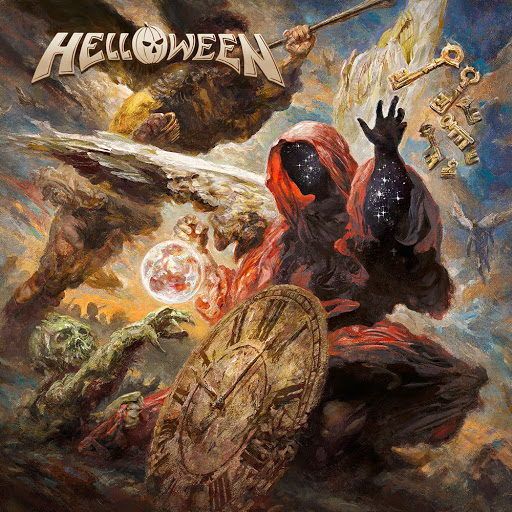
Helloween - Helloween

Jesus Christ, Helloween, give it a rest already. Sixteen studio albums. Sixteen studio albums and they all sound exactly the same.

This one is supposed to be every Helloween fan’s wet dream, because not only is Andi Deris singing lead vocals, so is Michael Kiske! AND Kai Hansen?! Oh boy! While Deris has had the longest run as the lead vocalist, Kai Hansen appeared as lead only on the debut, and Kiske was lead for the two most popular Helloween albums and the two flagship albums of the power metal genre as a whole: Keeper of the Seven Keys: Part I and Keeper of the Seven Keys: Part II. Needless to say, this is a big deal.

I, however, am immune to the charms of this tender reunion. All three vocalists sound the same, and this self-titled sixteenth album sounds just like every single other mega-bloated self-indulgent post-Seven Keys Helloween studio album in the last 30 years. Needless to say, my admittedly short-sighted bias against power metal is showing. My blog, my rules.

Even though it’s not worth it to me to go over any individual song in greater detail, I’ll end this mini-review on a positive note: this album does sound very much like authentic ’80s Helloween with nods to the more exciting early years of power metal. It’s almost like the band was stuck in time. With that in mind, if this is your thing, then you’re going to love this album. It’s not for me, though. At least not right now.

Early Verdict:


Danny Elfman – Big Mess
(June 11, 2021)

Danny Elfman - Big Mess

Danny Elfman returns with his first rock album since the disbandment of Oingo Boingo in 1995. Largely an unplanned record, Elfman started putting together songs during the pandemic last year and “just couldn’t stop”. Big Mess is 18 tracks and 72 minutes of pure Elfman, that’s for sure. It’s like he hasn’t missed a beat at all in the last 25 years.

I’m pretty conflicted, though, for many reasons. First, this album is bloated to the nines. He could’ve made this into two great 36-minute albums with some editing and stronger focus. Second, a lot of his lyrics are heavy-handed and a little late to the party on the political commentary. He even has a sample from a Trump speech on “Choose Your Side”. Who fucking cares about THAT guy anymore? The last track is a rewrite/re-recording of Oingo Boingo’s “Insects” and he suckified it a little bit, taking away everything that was fun about the original and adding more college student political commentary. Third, the production is atrocious. Everything is extremely forward in the mix, including Elfman’s voice, and everything sounds like mud. It’s not very easy on the ears at all, and it’s frustrating.

It’s very frustrating, actually. The plusses hold equal weight to the minuses. These arrangements are stunning, with intense bangers like the opener “Sorry” rivaling most of anything Elfman has ever released. The instrumentation and moods are beyond gorgeous for much of the record. I mean, come on, the guy is one of the most renowned film scorers in the business, I really have to set the bar high. The biggest surprise to me is that he can still sing! I thought he had lost it, but even pushing 70 he still sounds as good as ever for someone who doesn’t make a habit of singing professionally anymore.

So, yeah, this could’ve really been something. It’s a shame.

Early Verdict:


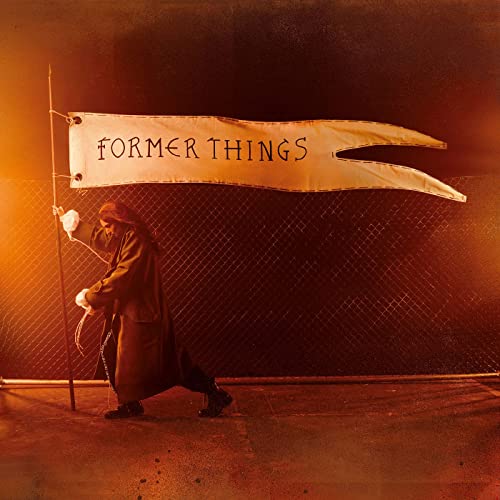
LoneLady – Former Things
(June 25, 2021)

LoneLady - Former Things

Ending this week’s selection of albums on a high note, LoneLady’s third studio album continues Julie Campbell’s streak of excellent throwback post-punk goodness.

I can’t find much definitive information about this, but I’m fairly sure Campbell does absolutely everything by herself in the making of her records. Hence the “LoneLady” moniker, and it also explains the half-decade gap between albums. Quality over quantity! I’ve been a fan of LoneLady for a while, from her tense, yet sparse and lightweight, new wave jangle-punk debut Nerve Up to her diverse, moody, goth-tinged sophomore album Hinterland. Now here’s Former Things, which leans into and embraces the type of pop-happy mid-to-late ’80s synthwave that artists like Gary Numan or Duran Duran succeeded with, and the edgy post-punk bands of the earlier era started drifting toward to little critical acclaim across the board. In the year 2021, however, there’s definitely a certain charm to it now. We yearn for the ’80s aesthetic. Hell, there’s 100 new schmaltzy retro synthwave bands popping up every day.

Given enough time, these tracks become addictive. Campbell piles layers upon layers of rhythms in her subdued dance-punk while keeping everything tight and not distractingly busy. Admittedly, I haven’t paid too much attention to the lyrics yet because I’m too swept up by her voice and the dance beats! This one’s been on repeat since I first heard it. I love how each one of Campbell’s albums has its own identity, but all very much LoneLady. Check this one out and her other two. Tom approves!

Early Verdict:

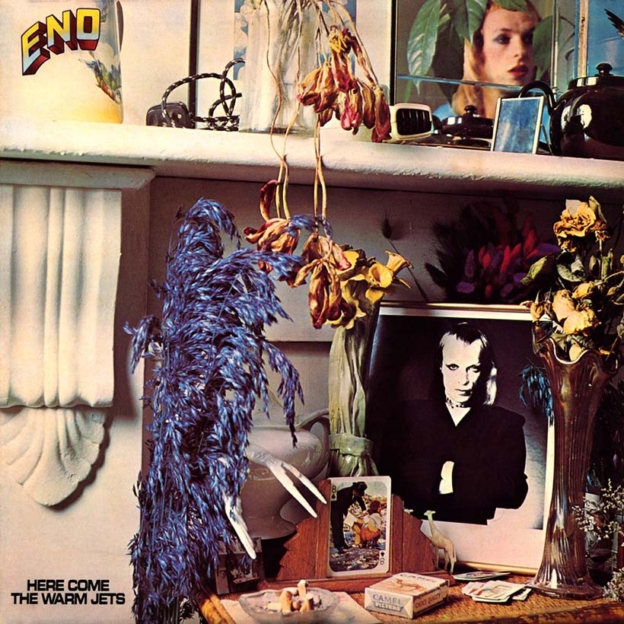
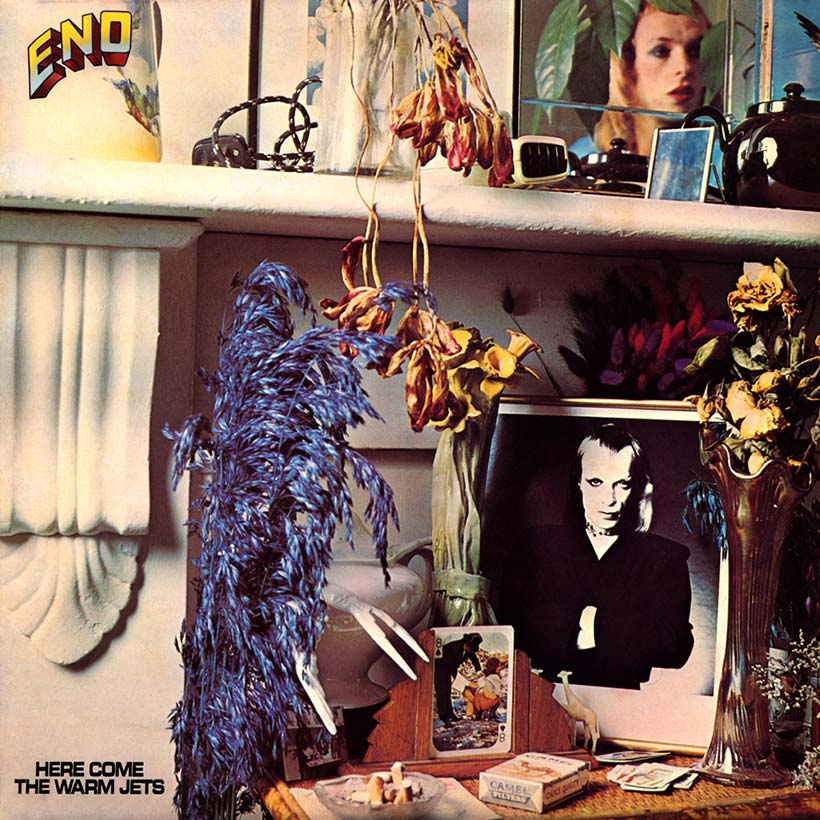
Brian Eno – Here Come the Warm Jets (1974)

Brian Eno - Here Come the Warm Jets

Brian Eno is a genius, and longtime readers (Ha!) will know how uncomfortable I am bandying about such a word. He’s so fucking good at making music that he even considers himself a “non-musician”! That’s how good he is!

Eno got married, had a child, and got divorced before his music career even began, and he’s got to be the only person in the music industry with such a pre-career backstory. Of course, he spent his high school and college days forming and participating heavily in experimental visual arts, music, and theater projects, so he was always interested and well-versed in left-of-center performance art. Eno got his professional start as a keyboard player for Roxy Music, but he only lasted two albums before leaving due to “creative differences”. This probably means he engaged in multiple noodle-armed fist fights with fellow arrogant musician Bryan Ferry. He is widely sought after in the music industry for collaboration projects and production work, and has notably worked with, among others, U2, Coldplay, David Bowie, Talking Heads, Devo, and Robert Fripp of King Crimson. So what makes this guy so great? Was it his weird glam mullet and leopard-print blouse fashion sense? Hardly! But good guess.

Brian Eno has a very analytical approach to not only music, but sound in of itself. His acute sense of how sound and noise hits the ears and gets processed by the brain was unmatched by any of his contemporaries, easily. The way he boiled sound down to its essence and used it like he had full control over it was simply revolutionary for the classic rock era. Eno’s interest in exploring minimalistic textures and ambient soundscapes was pivotal, and every single electronic musician in the last 50 years, whether they know it or not, was heavily inspired by his vision.

However, purely from a personal enjoyment level, I still think his ambient works are full of beans! Luckily, half of Eno’s ’70s solo efforts are pure rock albums, and Here Come the Warm Jets is an excellent debut kicking off an excellent string of rock albums indeed! I imagine the “creative differences” with Bryan Ferry that led to Eno storming out of Roxy Music were likely a lot of Eno wanting control over a band that wasn’t his to begin with. For his solo debut he roped in plenty of guess musicians, including three Roxy Music members (Phil Manzanera, Andy Mackay, and Paul Thompson), two King Crimson members (Robert Fripp and John Wetton), space rock group Hawkwind’s Simon King, and Canterbury Scene prog rock band Matching Mole’s Bill MacCormick. Eno’s plan was to get a bunch of musicians together with possible incompatibility, and maybe this incompatibility might perhaps lead to accidents, and these accidents might end up being interesting??? What a devilish little rascal! With full control over his own writing, development, and production, Eno could take advantage of unorthodox directing methods for his musicians and play around with mixing in experimental electronics. The results speak for themselves. And, contrary to a long popular belief, the title of the album does NOT in fact reference piss! Eno used the phrase “warm jet guitar” to describe how the guitar sounded on the closing title track. Disappointing! I wish it referenced piss!

Here Come the Warm Jets is probably my favorite debut of the classic rock era. I like it more than King Crimson’s In the Court of the Crimson King. I like it more than Led Zeppelin’s Led Zeppelin. I think I might like it even more than Frank Zappa’s Freak Out!, and I like that one a whole lot too so that’s saying something. Eno’s debut is brimming with confident energy, wild yet simple ideas, fantastic songs with a range of moods, and above all, it’s loud and embodies everything good about the short-lived glam era of the early ’70s. And while this may not be punk music at all, a lot of it sounds like punk music in attitude and spirit, and it’s not entirely outlandish to consider Eno an early punk. A lot of punks and post-punk acts likely took inspiration from this record, including Talking Heads, Bauhaus, Pere Ubu, Magazine, Joy Division, Wire, you name it.

Eno gets to flex his pop sensibilities as well, which are also fine-tuned. I’ll probably say this a lot, but Eno’s real genius (in my opinion) comes from his ability to push listenability to the very, very edges, teetering into inaccessibility but never, ever toppling over. Starting with “Needle in the Camel’s Eye”, a loud, slightly obnoxious repetitive riff washes over the landscape while Eno, low in the mix, sings an impossibly melodious bunch of nonsense in his distinct Eno-voice! You can just imagine the glitter sparkling over this glammy indulgence, although Bowie still takes the cake on glammy indulgence. Next is “The Paw Paw Negro Blowtorch”, which immortalizes the legend of a 27-year-old African American man named A. W. Underwood from Paw Paw, Michigan, and his fire-breathing abilities! Here, Eno sings with complete sardonicism with lyrics that, to me, sounds like his wife is cheating on him? “You’ll have to make the choice between/The Paw Paw Negro Blowtorch and meeeeeee!” I also like the “musical comedy” of sorts, if you will, during the bridge of the song, where the call-and-response, high-octane, electronic computer beepin’ and bloopin’ sounds equally as sarcastic as Eno’s vocal stylings. You can’t help but laugh! Ha ha ha ha ha ha HA! Like that, see?

“Baby’s on Fire” is the best song on the album, likely the best song in Brian Eno’s repertoire, and a contender for the best song of the early ’70s. The guitars are chunky, brash, and moody, Eno’s voice is just as sardonic as before but with a threatening edge to it, and, I’m saying right now here in this very paragraph, Robert Fripp rips the greatest guitar solo in recorded history. Friends, I have quite literally heard thousands of guitar solos in my day, and I have not heard a single one that even comes close to the stunning, sweeping highs, and the powerful stripped-back rawness that Fripp manages here. It’s literally perfect in every way. It can never be duplicated or improved upon. And I’ll fight anyone who argues with that.

With “Baby’s on Fire” being the clear climax of Here Come the Warm Jets, the rest of album, while not necessarily lacking, just…you know, it lacks a little bit! But now you start seeing Brian Eno’s gentler side with songs like “Cindy Tells Me”, “On Some Far Away Beach”, and “Some of Them Are Old”. With these mellow tunes he plays with atmosphere and sonic landscapes a bit; a precursor to his ambient exercises, but he was clearly already interested early on in the power of sound as mood. Not only that, but in the case of “Some of Them Are Old”, you get the bounciest, most kickass ukulele solo this side of, well, Hawaii? Surprises abound!

“Driving Me Backwards” betrays some of the old Roxy Music days, only gone a little berserk and creepy (and not “creepy” in a Bryan Ferry way, I promise). “Blank Frank” has another crunchy Fripp guitar solo that’s not even close to as memorable as the one on “Baby’s on Fire”, but this a fun, angular groove anyway, and some more of that punky edge comes out on this one via the lyrics (“His particular skill is leaving bombs in people’s driveways“). “Dead Finks Don’t Talk” defies categorization; the old rumor that it was about Bryan Ferry turned out to be untrue,  or rather it wasn’t deliberately about him…reportedly. On record. Anyway, the song is fantastically bizarre and it sure sounds passive aggressive to me with lines like “And these finks don’t dress too well/No discrimination/To be a zombie all the time/Requires such dedication“. I sure like those piano passages and hand claps!

OK, that’s about enough words on this. This is the first in a line of stellar albums that Eno released throughout the ’70s (and one boring shit of a snooze somewhere in the middle of it) and I’m looking forward to being needless verbose about all of them in future installments! Eno would never be this rough and boisterous again, which is a shame, but his reign of pumping out great music has only just begun.

VERY GOOD

Wolf Alice, Squid, and St. Vincent

This week I have new releases from Wolf Alice, Squid, and St. Vincent. I have to say that in the intro so that Google might someday actually put my blog in their search engine!

We are quite literally, as of today, on the year’s halfway point. Many publications are releasing their half-year best-of lists. I have about 900 more albums from 2021 to listen to and absorb, and I’m sure the best is still yet to come! It’s a good time to be a music fan.


Wolf Alice – Blue Weekend
(June 4, 2021)

Wolf Alice - Blue Weekend

Wolf Alice’s third studio album dropped in early June and was met with immediate critical acclaim. I’ve heard very little Wolf Alice in the past, and I was incredibly wary going into this one. I was expecting a lot of folky noodling and hushed vocals, but Blue Weekend showcases some diverse indie rock styles while maintaining a mildly grungy veneer throughout the record.

Immediate standouts at first listen were “Safe From Heartbreak (If You Never Fall In Love)” and its ethereal folky strumming, the pure pop of “How Can I Make it OK?”, and the fuzzy shoegaze bombast of “Feeling Myself”. On my first album run-through I found the riot grrrl punk anthem “Play the Greatest Hits” a jarring turn, but this one has really grown on me too.

My minor gripe is sequencing. The album is oddly middle-heavy, and “Feeling Myself” is such a sweeping, epic emotional cooldown of a song that it’s crazy to me that it’s not the album closer. There’s a finality to it that makes the remaining tracks feel tacked-on.

Good stuff! Too many bands have “wolf” and “Alice” in their names, they should re-brand. Might I suggest “The Beetles”??

Early Verdict:


Squid – Bright Green Field
(May 7, 2021)

Squid - Bright Green Field

Ahhh, Squid. Among the major post-punk releases in 2021 (along with Dry Cleaning, black midi, and Black Country, New Road), Squid presents a kaleidoscope of post-punk tropes and influences, brought together into an unpredictable display of tense, passive-aggressive arrangements, and finalized with a guy who sounds like the British answer to Mike Watt from Minutemen and fIREHOSE.

The air of Bright Green Field is shaky and uneasy, as if the band is just as unsure as the first-time listener about what will come next. One of my favorite moments comes from “Narrator”, a high-strung song about how the individual will create their own truths and realities that fit their worldview, where vocalist Ollie Judge repeats “I’ll play mine…I’ll play mine…I’ll play mine…“, ebbing and flowing with the music behind it and slowly building to a frenzy. The band is playful with style and tone. It’s a veritable gumball machine of post-punk excitement! How’s that for a shitty metaphor?

They get dinged on points with some instances of ambient go-nowhere codas tacked on at the end of songs (“Boy Racers”, “Documentary Filmmaker”, “Global Groove”). They are excessive, unnecessary, and absolutely could’ve been trimmed. Other than that, this is a great debut in a year with other great post-punk debuts! The direction that this genre is heading is very exciting, can’t wait to see what comes next.

Early Verdict:


St. Vincent – Daddy’s Home
(May 14, 2021)

St. Vincent - Daddy's Home

I’ve been a St. Vincent fan for a long time, and I was very much looking forward to this album’s release since she made the announcement last December. Every album had been different and exciting, oh boy, what will Annie Clark cook up next?

And, man, I wanted to like this album so badly. I spent a lot of time with it, seeing some of the polarizing reviews and trying to listen through the whole thing over and over again with unbiased ears. And I do like some of it, I like “Pay Your Way In Pain” and “Down” for sure, which were both released as singles. Both of these have strong melodies with some groovy elements and memorable ’70s rock pastiches. In fact, this whole album feels like Clark’s ’70s love letter. However, this was done better with Ty Segall’s 2018 release Freedom’s Goblin, And while Clark is an outstanding guitarist (better than Ty Segall, methinks), and the solos and guitar interplay on Daddy’s Home are outstanding, the actual songs themselves ring incredibly hollow. For a record–no, her first record–that’s supposed to be deeply personal, it still feels like she’s playing a character. I mean, look at the cover for goddamn sake. I don’t know how I’m supposed to feel listening to Daddy’s Home. I feel a little bored.

I think being open is one of Annie Clark’s weaknesses, unfortunately. We got a hint of it on her fantastic 2017 album Masseduction, but going all-in this time, ironically, created a detached and somewhat emotionally insincere final product. And the ’70s pastiches feel like empty carbon copies of the real thing. I need more time with this.

Early Verdict: