King Crimson

PAGE IN PROGRESS

King Crimson
Welcome to mad world of Robert Fripp, his revolving door of musicians, and his ever-changing creative ambitions. King Crimson is still active and has been, barring a couple of dissolutions, since 1968. Specializing in progressive rock in the purest sense of the phrase, Fripp and Co. have, over the last 50 years, incorporated elements of classic rock, classical music, jazz, pop, math rock, ambient minimalism, new wave, worldbeat, nu-metal, industrial rock, and many others. The output covers the whole spectrum from accessible to heavily experimental, strictly composed to entirely improvisational, mellow to heavy.

Robert Fripp is possibly one of the biggest assholes in the music business. He is purposely intimidating and a rude control freak. He is an arrogant, self-important egomanic who values his own opinions above all others. He treats his band like a major business, selling merchandise and downloads with marked-up prices on his overly-convoluted website, imposing legal restrictions upon anyone he catches sharing his music and images, and pumping out erroneous compilations and extravagant boxset after extravagant boxset of previously-released material on a bi-yearly basis. That being said, he’s incredibly dedicated and motivated, he does have a personable stage presence, and he’s one of the most innovative guitar players to emerge from a post-Hendrixian classic rock era. King Crimson is one of my favorite classic rock bands, and their contributions have been important in driving rock music’s direction through the ’70s and into the early ’80s. Fripp not only adapts with the changing times, but is able to consistently stay innovative within the changing times in a way that someone like David Bowie could’ve only dreamt about.

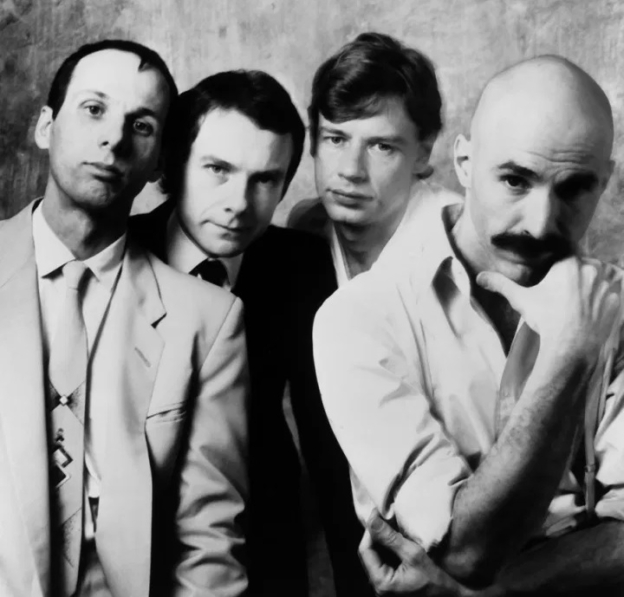
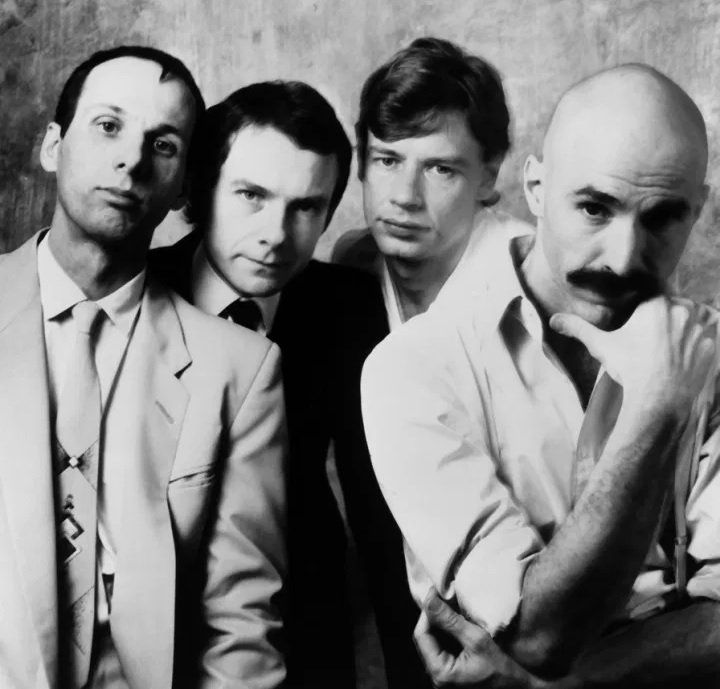
The picture above represents my favorite lineup of Adrian Belew, Robert Fripp, Bill Bruford, and Tony Levin, during the early ’80s. The King Crimson music of that era was more powerful than Belew’s hairline…but much less powerful than Levin’s mustache.

King Crimson’s DGM Live page

JUMP TO:
(1969) In the Court of the Crimson King
(1970) In the Wake of Poseidon
(1970) Lizard
(1971) Islands
(1973) Larks’ Tongues in Aspic
(1974) Starless and Bible Black


In the Court of the Crimson King (1969) – Rating: 9/10
No Full Album Review Yet
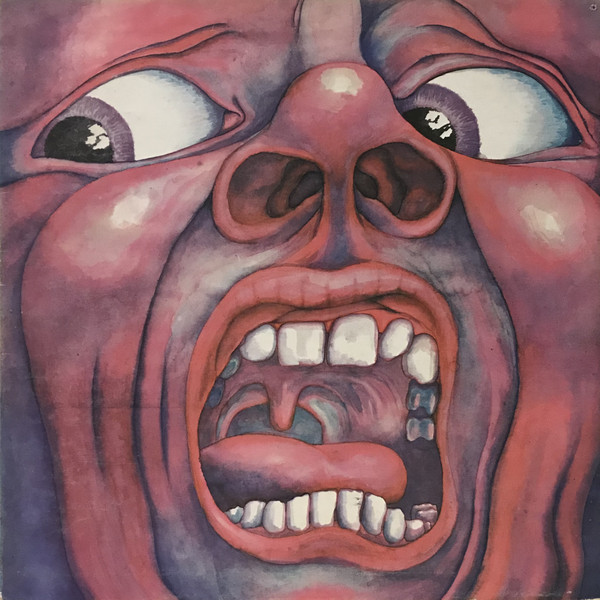
King Crimson - In the Court of the Crimson KingIn October of 1969, less than two months before the end of the most important decade of all time for modern rock and roll, King Crimson dropped the most important progressive rock album of all time. While smatterings of this type of sound had already been happening with bands like the Moody Blues, or the Who, or even under-the-radar outfits like Procol Harum, it took King Crimson to deliver it with the kind of “HEY LOOK AT ME” bombast that the genre as we know it requires. The tense and heavy music, the mysterious, unsettling aura, that iconic album cover. It was a game-changer, and, as far as this particular album goes, nothing else has ever come close to replicating the mood. It’s simultaneously a product of its time (in the sense that its time was the only time for In the Court to work as well as it did) and a timeless artifact. It holds up 50 years later, it will still hold up 50 years from now.

I could write a ton here that would be better suited for a full-fledged album review, so I’ll try to hit only the very basic points: There’s an eerie beauty to this whole production that feels larger than its 44-minute runtime. The frantic paranoia of the classic opener “21st Century Schizoid Man”, the solemn and mournful fluteiness of “I Talk to the Wind”, the tension-laden sad builds of “Epitaph”, the avantgarde noodling of “Moonchild”, and the cinematic grandiosity of “The Court of the Crimson King”, it all sounds so genuinely important. Like the tectonic plates have shifted catastrophically under everyone’s feet without warning, altering the continents forever and humanity has to just deal with it and adapt.

Contrived hyperbole aside, every person who fancies him- or herself a serious fan of music should at the very least listen to this album. All the prog excess in the world, and even a lot of heavy metal excess, can be traced back to In the Court‘s display of artsy-fartsy indulgence, extended solos, theatrical lyrics, musical virtuosity, technical compositions, and testing the listener’s patience to almost a sadistic degree. And yes, I’m taking a point off for the same reason the rest of the internet takes a point off: 10 out of the 12 minutes of “Moonchild” is total fucking bullshit.


In the Wake of Poseidon (1970) – Rating: 6/10
No Full Album Review Yet
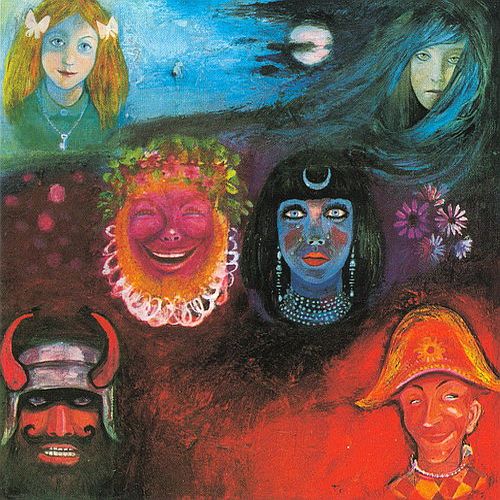
King Crimson - In the Wake of PoseidonI think a 6 is being generous, but this album did grow on me after repeated listens and many forays into the live recordings of this era. Now I treat it like a friend that bugs me a little bit and who I only want to talk to or visit very occasionally.

By this time everyone quit the band, leaving Fripp all by his sad little lonesome. Fripp scrambled to get musicians to play this material and had to settle for his old high school friend Gordon Haskell and a couple of previous King Crimson members who I’m sure Fripp had to beg on his knees to get back just for the studio sessions.

The general consensus is that In the Wake is just In the Court Pt. 2, but I never thought so. Although, I will admit that the first few tracks mirror the moods of In the Court‘s first few tracks so blatantly that it probably wasn’t a coincidence. The two albums are distinctly different, though, with the debut presenting a super-serious and somewhat fustian celebration of theatrics, while In the Wake presents a more subdued and almost mischievous angle to the similar musical themes. For example, “Pictures of a City” is often diminished as an inferior version of “21st Century Schizoid Man”, but the jazzy instrumentals are way more impishly playful this time around than anything on In the Court. Other album highlights are the cool, jittery jazz-pop number “Cat Food” and the extended spooky jam “The Devil’s Triangle”, which bases its foundation around the riff from Holst’s “Mars” from the Planets Suite.

That’s about it for me, though. The rest is forgettable at worst and ultimately inessential listening. However, if you have endless amounts of free time to dig into the many archive recordings of this era, the band’s ability to improvise over these loosely-structured song frameworks makes it almost worth it! Plus, if you like your King Crimson on the prettier side, In the Wake of Poseidon is your best bet to hear Fripp’s classical composition “prowess” and still feel like he’s going somewhere with it.


Lizard (1970) – Rating: 8/10
No Full Album Review Yet
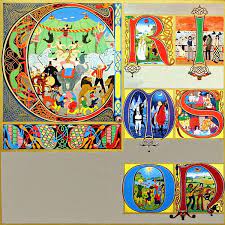
King Crimson - LizardYes, an 8/10. No, I haven’t lost my goddamned mind. Critics are usually not kind to Lizard; Robert Fripp himself has called it “unlistenable”. I say, any King Crimson fans skeptical of Lizard should try hearing the Steven Wilson remaster at least once. They might find something to like.

Myself, I’m an unapologetic fan of this album and I’ll ardently defend it until I’m dead for two reasons: a) I love classical music, especially the ugly, avantgarde fringe stuff, and b) I love jazz music, especially the ugly, avantgarde fringe stuff. Boom. Lizard is a marriage of the uglier sides of classical and jazz brought into a structured prog-rock context. Fripp barely even plays his guitar, most of the heavy work is done by an ensemble of musicians playing traditional orchestral instruments (saxophone, flute, oboe, English horn, trumpet, trombone) in addition to the guitars, drums, and acoustic/electric pianos. Most of this music sounds playfully sarcastic and passive-aggressively menacing. It’s noisy, replete with challenging passages of avant-prog, but also flirts with medieval whimsy more than any other King Crimson project for sure.

I don’t even have anything truly bad to say about Gordon Haskell’s voice either. This is the only album with Fripp’s buddy as lead vocalist, and everyone hates him. I personally think his timbre matches the whole vibe nicely, and I don’t think John Wetton is really that much better as the lead vocalist on Larks’ Tongues in Aspic, Starless and Bible Black, and Red. They both have this kind of stuffy, unpowerful voice anyway. Peter Sinfield’s lyrics don’t annoy me on Lizard either; the guy’s a poet and he seems to specialize in enigmatic descriptions of modern mundanity. I think? “Each afternoon you train baboons to sing/Or swim in purple Perspex water wings/Come Saturday jump hopper, Chelsea brigade/High bender-trender, it’s all indoor games“. Yeah, don’t ask me, but I think these puzzling metaphors fit with the puzzling song structures and I like them! I just do. Sorry.

Lizard is the kind of album I wish more progressive rock bands had made. It’s fanciful without being cloying. I simply don’t understand the hate for it and, for that, I’m thankful.


Islands (1971) – Rating: 4/10
No Full Album Review Yet
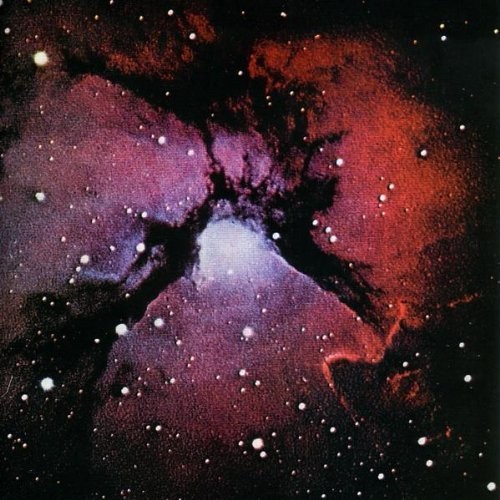
King Crimson - IslandsWhile I am a stalwart supporter of Lizard, I do see and agree with the problems on Islands. Here Fripp explores the prettier and more relaxing side of improvisation, and I don’t think he’s very good at it. Most of the ambience is aimless, the concept as a whole is flagrantly unstructured, all resulting in Fripp’s most unfocused project he ever made.

For the defense, I do enjoy some of the saxophone-heavy excerpts such as the extended (admittedly directionless) jam on “Formentera Lady”, or the sudden bleating that happens in the middle of “The Letters”. “Prelude: Song of the Gulls”, a pleasing arrangement of orchestral lushness, is legitimately good too. That’s really all I can say.

The problems far outweigh the good stuff, of course. Peter Sinfield is at his very worst with the lyrics, especially on “Ladies of the Road” which skewers flower power-era feminism with a verse like “Two fingered levi’d sister/Said ‘Peace’, I stopped I kissed her/Said ‘I’m a male resister’/I smiled and just unzipped her“. Fucking gross, Sinfield. “Ladies of the Road” also tries very hard to be the Beatles, almost treading ripoff territory. It feels incredibly out of place for King Crimson, a band that usually seems to at least attempt to exist in their own vacuum.

Also, I already know Robert Fripp spends so much time up his own ass that he probably owns a summer home there. I usually don’t care about that kind of thing if the music is good, but Islands has this pretentious air of self-importance that the music isn’t meeting halfway on. While Lizard doesn’t project any obvious delusions of high art, it’s all over the place on Islands. The musical ideas are too half-baked for me to give that high-falutin’ attitude a pass.

At this point in time King Crimson was barely staying afloat anyway. The whole project would have died in the hands of someone far less persistent than Fripp by this time. Luckily, Islands marks the end of the band’s many major career setbacks. Fripp recalibrates his vision and the King Crimson as we really know it will begin to finally thrive going forward.


Larks’ Tongues in Aspic (1973) – Rating: 9/10
No Full Album Review Yet
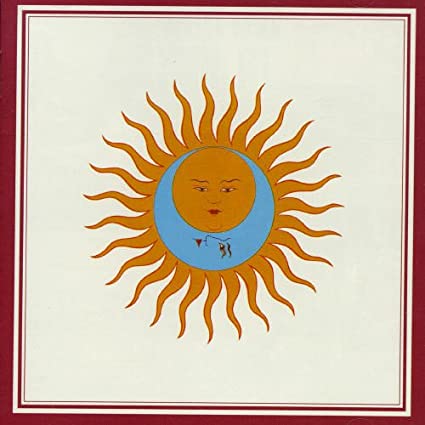
King Crimson - Larks' Tongues in Aspic

Out goes the chaff, and in comes vocalist/guitarist John Wetton! Percussionist Jamie Muir! Drummer Bill Bruford! Violinist/keyboardist David Cross! No, not THAT David Cross! This one is more British and less funny.

This shake-up was Fripp’s most critical decision for the future of King Crimson’s success, since personal and musical opinions were constraining his vision. I wonder if Fripp would’ve ever been discouraged enough to return to his day job at whatever it was he was doing before music. Quality supervisor at a paper clip company? Larks’ Tongues in Aspic was a critical fucking hit, a return to form, and a benchmark for the darker, more angular music that represents this incarnation of the band.

As before, classical music strongly influenced Fripp’s songwriting decisions, but the results are less fanciful. The absence of flute and saxophone removes the padding on the edges to great effect, making the music tense again like the good old days. The free improvisation approach to the arrangements makes this one of the better bands to check out in a live setting (The massive Starless and Road to Red box sets, respectively, are essential, while the Larks’ Tongues 40th Anniversary box set is good, but marred by awful sound quality).

One could say that the 13-minute “Larks’ Tongues in Aspic, Part One” is proto-math rock. Was this its genesis? Tight, complicated drum patterns and exciting guitar that sounds like it’s quickly bounding from rock to rock over a raging river. “Book of Saturday” and “Exiles” are sleepy Wetton ballads with a lot of shifting and moving parts, showing off the violin textures and Wetton’s stuffed-nose British crooning. And then the cavalry marches in with “Easy Money”, livening up the party a little bit! Wetton does some more singing, and then the band launches into a slow-cookin’ jam that grooves on a syrupy bassline and some interesting glockenspiel percussion. There’s also a laugh at the end that I swear to fucking God was sampled on little plush doll that my sister got as a graduation gift! Someone look that up for me.

It’s “The Talking Drum” where the band’s official transition is locked in, as far as I’m concerned. This track spends the entire seven minutes building up from nothing, working the drums into a tense In the Court-era improv session: the violin snakes around on Eastern scales while Fripp stays in the upper register. With “Larks’ Tongues in Aspic, Part Two”, the transition is complete. Fripp crunches his guitar and maintains these uncomfortable chords, the violin whips up a frenzy, the drums pummel sharply, each instrument begging the others for mercy.

Another important album in the early prog rock cannon, but the best is still yet to come.


Starless and Bible Black (1974) – Rating: 5/10
No Full Album Review Yet
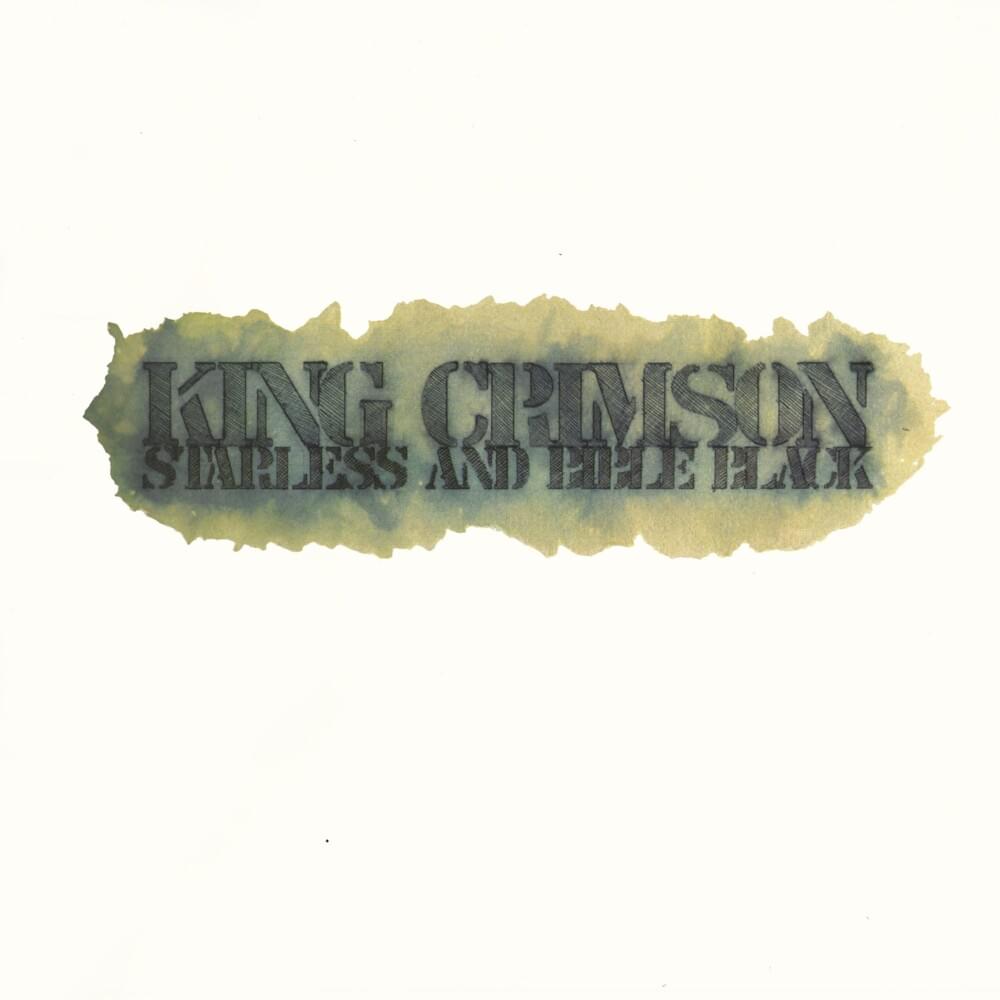
King Crimson - Starless and Bible Black

Meh. King Crimson tried to strike gold twice in a row and missed the mark. It’s not entirely their fault this time; percussionist Jamie Muir found God in a biscuit one evening and decided to quit the band without telling anybody why. Bill Bruford picked up the slack free of too many seams, but the extra strain put on the band during their psychotically ambitious 1973 touring schedule reduced the amount of studio time that the band could commit to. So, in essence, Starless and Bible Black comprises some of the best improvisational material recorded live during these tours and interspliced with studio recordings.

The results are a mess, frankly. All the possibly tense moments are undercut by disjointed pacing. The ironically named opener “The Great Deceiver” is the album’s only highlight, making a grand entrance that has only been surpassed thus far by the debut’s “21st Century Schizoid Man”. Jagged and frantic out of the gate, it runs off the rails as the bassline huffs and puffs to keep up. Apparently, the refrain “Cigarettes, ice cream, figurines of the Virgin Mary” are the only Crim lyrics actually written by Fripp himself! The guy can’t sing or write, why does he even have a band?

The rest of the album isn’t essential listening for a casual fan. “Lament” is multi-faceted Wetton ballad that starts eventually chugging with some heightened intensity. “We’ll Let You Know” is a disposable, avant-garde instrumental tinkering session, ending in shiny and sharp guitar shards. “The Night Watch” is meandering, melody-free storytelling. “Trio” is pretty, but dull, improvised modern classical that reminds me of the shittiest parts of Islands. I really want to enjoy “The Mincer” more than I do, but it’s just another throwaway on an over-padded album. I get that this is all improvised stage music, but the tension on this track feels completely manufactured.

And then there are the giant two slabs tacked at the end, the title track and “Fracture”, filling up an entire record side. Both more of the same, nothing to grab onto at all to say a definitive “this rules” to. Just not very engaging improv all around.

This is the In the Wake to Larks’ Tongues‘s In the Court. Know what I mean? A subpar version of its predecessor. Not different enough to have its own identity. This is not a complete flop, but it suffers from a lack of cohesion and a lack of any truly memorable and/or ass-kicking moments. It doesn’t help that it’s sandwiched in between two legendary albums, either.

PAGE IN PROGRESS – TO BE CONTINUED

Esoctrilihum, Arab Strap, and Snapped Ankles

This week I have new releases from Esoctrilihum, Arab Strap, and Snapped Ankles! I’ve decided to keep it manic and positive this week and only go over albums that I’m GUNG-HO about. Three happy faces in a row here, check them all out if you like colorful black metal, or depressingly dreamy pseudo-spoken word, or oddball post-punk. What do you mean you don’t?? Ok, fine!

Hey, John Mayer just came out with a new album last Friday! But, guess what, I have never listened to a fucking John Mayer album and I’m not going to start now.


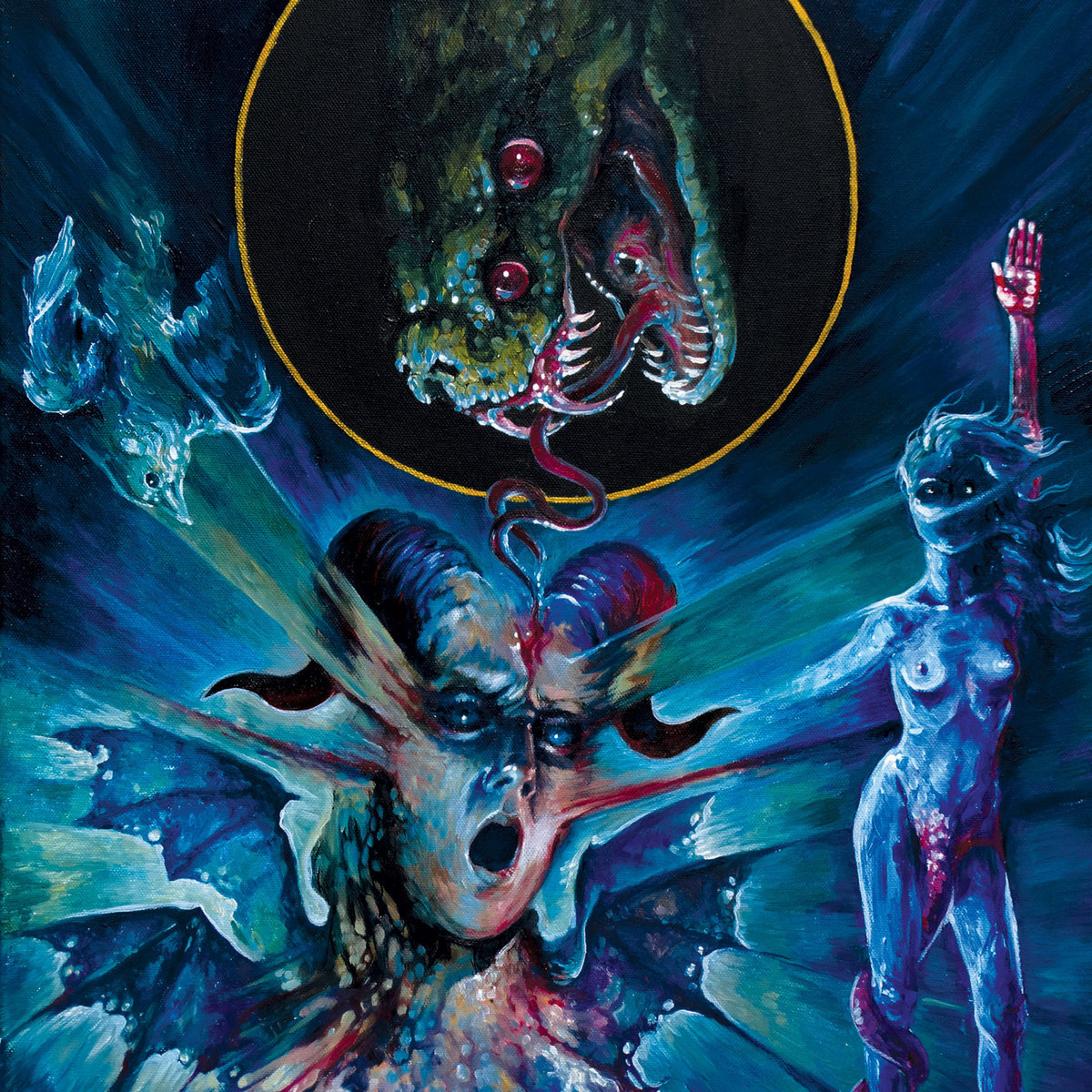
Esoctrilihum – Dy’th Requiem For The Serpent Telepath
(May 21, 2021)

Esoctrilihum - Dy'th Requiem For The Serpent Telepath

The extremely prolific and satisfyingly consistent black metal project from France released their sixth studio album this year. That makes six since 2017. That’s more than one per year on average since the project’s inception. And they’re all, like, long albums too.

I say “project” because it all seems to be the brainchild of a single individual, like a lot of black metal projects are. A mysterious mononymous entity known only as Asthâghul does everything: he writes, he composes, he plays, he produces, he sings, he dances, he entertains! 76 minutes of black metal is a dense, challenging listen by anyone’s standards, but I’m digging this a lot. I wish it were shorter, though. No album in this day and age should be this long anymore, especially a metal album. Especially an extreme metal album, come on. How much more of this stuff could the world possibly need??

But yeah, I’m digging this a lot! Fuck it! Atmospherics, symphonic instrumentation, heavy synths, powerful blast beats, smooth and crisp production, twisty and bendy compositions, complimentary “smooth guttural” vocals, I really like how everything melds together into something that hooks me in the moment instead of relegating most of everything to harsh background noise. I love the cool-ass organ in tracks like “Tyurh” and “Xuiotg”, it brings to mind John Carpenter and ’80s horror movies. I should’ve waited until Halloween to listen to this! Good stuff, and I consider it a standout for 2021 in a genre plagued by a sense of indistinguishability.

Early Verdict:


Arab Strap – As Days Get Dark
(March 5, 2021)

Arab Strap - As Days Get Dark

Aha, another band from Great Britain featuring a singer rambling nonsense over music. Arab Strap have been around a long time, technically, but I haven’t dipped into their catalog at all in the past. The band had split up in 2006 under seemingly agreeable terms, and were pretty confident that the Arab Strap project was over forever. Now, 15 years later, they drop their latest studio album As Days Get Dark. And let me tell you, if the rest of their work is similar then I gotta check it all out soon. Soon soon soon!

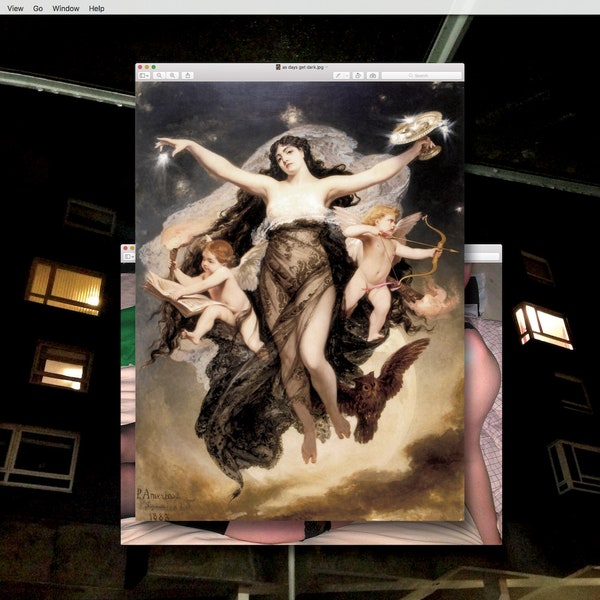
I’m used to the post-punk version of this stream-of-consciousness talk-singing over music, and even some of the tense and morose Nick Cave version of talk-singing over music, but I’m not too well-versed with the pleasant, indie rock version of talk-singing over music. Aidan Moffat’s soothing voice and his thick Scottish accent are hypnotic over the marvelously lush and warm sonic landscapes. But, this is me we’re talking about! So that combination in of itself isn’t quite enough, oh no. The subject matter of the storytelling is dour and/or unwholesome, and that’s the way I like it! “Another Clockwork Day”, for example, I’d love to just copy and paste the whole thing here. Let’s just say it takes the daily mundanity of modern porn-viewing technology and gets really specific and literal with the computer terminology side of things while remaining poetic and charming with the, you know, porn-viewing side of things (and is likely related to the album cover image of a piece of high art open in a browser window). Then you learn at the end that he was looking at old iPhone photos of his wife! What a twist! But ahh, why is he jacking off to them instead of actually having sex with her? Now we’re digging deeper!

And the album is full of this stuff. Pretty melodies with smooth vocals and elegant poetry covering depressive and/or slightly seedy subject matter. It’s like you’re getting a glimpse into that which you shouldn’t be glimpsing. Shouldn’t be glimpsing at all! Maybe that’s what makes it all the more enthralling? I’m going to check out more Arab Strap albums, hell yes I am.

Early Verdict:


Snapped Ankles – Forest of Your Problems
(July 2, 2021)

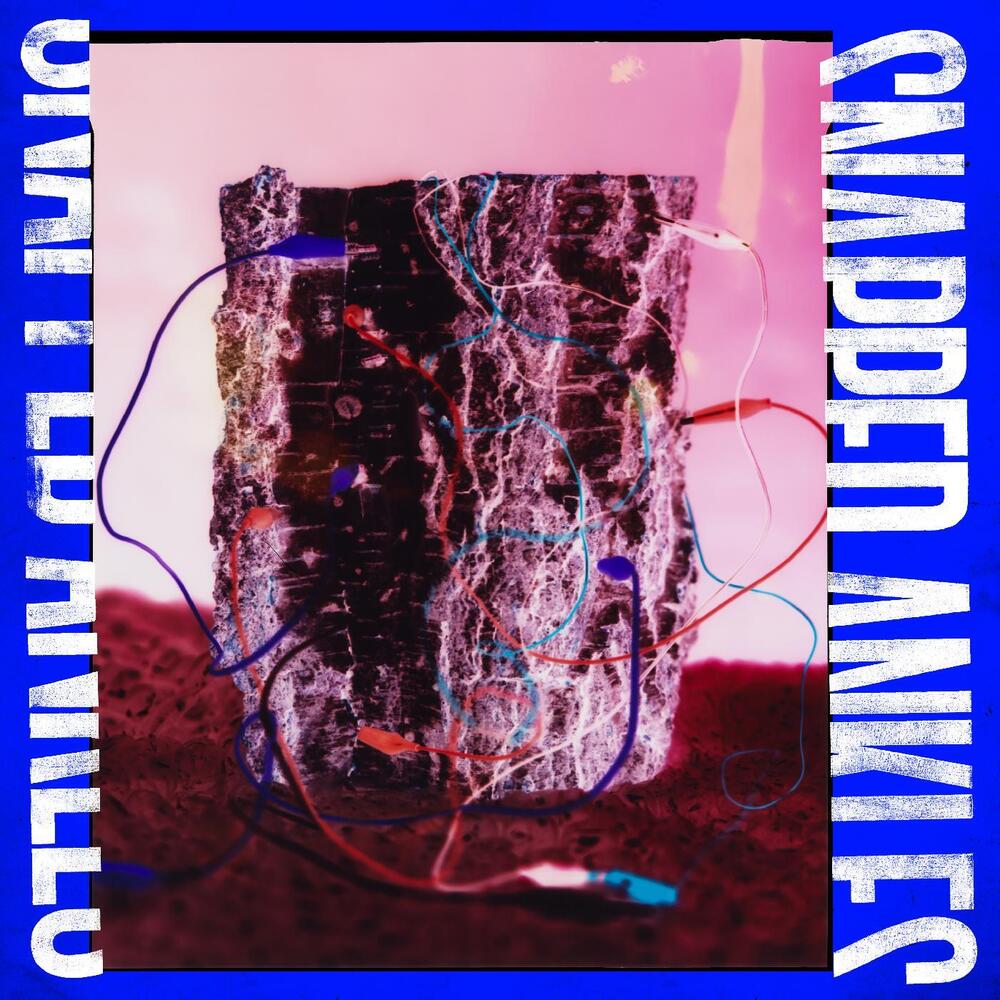
Snapped Ankles - Forest of Your Problems

I’ve been very happy with Snapped Ankles’ output since I first laid ears on their 2017 debut Come Play the Trees. They produce an always-exciting mix of tribal krautrock, angular dance-punk, synthy rhythms, and cynical social commentary, slathered in an unnerving sauce of lo-fi psychedelia and finished with the cherry-on-top of creepy woods/forest-themed performance art. Simply wonderful stuff. Their third effort Forest of Your Problems does not disappoint.

More than even the good melodies and the fun shake-your-ass rhythms, it’s the surprises that really make it for me. There’s no predicting these guys, the way they twist the synths and meld them into the beats, the occasional plentitude of varied instruments that phase in and phase out through song progressions (a great example of this is on “The Evidence”, which keeps piling on layers of instrumentation during the final minute), the tribal drumming paired with the snare drumming. I cracked up at the dying Pac-Man sound effect they used in the last half of “Shifting Basslines Of The Cornucopians”. I mean, it’s not exactly that, but it’s pretty close.

Smatterings of influence from Devo, Kraftwerk, and especially the Fall are everywhere. “Rhythm is Our Business” and “The Prince is Back” especially sound like Mark E. Smith came back from the dead to record more addictive nonsense. And yet, Snapped Ankles sounds like Snapped Ankles. Except when they sound like the Fall, then they just sound like the Fall. Never a bad thing to have more Fall I always say.

Early Verdict:

Ween – 12 Golden Country Greats (1996)

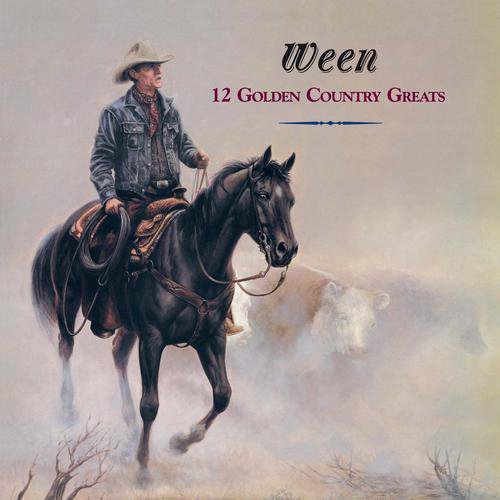
Ween - 12 Golden Country Greats
If you thought there was nothing that Ween could possibly do that could confuse, confound, and throw their established fans a curve ball baseball-style right out of left field not even in the ball park STEEEEEEE-RIKE!, it’s their entirely country fifth studio album 12 Golden Country Greats. For the first, and only, time in their career, the Ween boys stick to one genre for an entire album. Ben Vaughn, Ween’s producer and friend, was working with Nashville country music artists at the time. The band thought it would be a good idea for Vaughn to produce their faithful send-up to country music. They even got a handful of real country musicians for their recording sessions. This whole project was seen through from beginning to end without any hesitations or backing out. It’s wild.

On a personal note, as someone who used to be one of those “everything but rap and country”-type kids a lifetime ago, I made a deal with myself that I was never going to bother listening to this album. Then, eventually, when I caught up on all the other Ween albums, curiosity got the best of me and I decided to grin and bear it. I remember hating it at first since the countryfied Ween sense of humor was still, in the end, entirely too countryfied to make it worth it to me. However, I was oddly drawn to it, almost like Gener and Deaner took country music as a whole and made it their own for 32 minutes and 37 seconds. It’s like they were able to command full control over it. And, to me, it felt like Ween was observing country music under a microscope, dissecting it, and documenting their experiences with it instead of, for lack of a better phrase at the moment, “becoming one with it”. Bleh. Because I was an engineering student at the time, this analytical approach that I projected onto the band resonated with me, and I was able to open my mind.

I found out years later that Gener and Deaner were genuinely interested in making this music and it wasn’t just some snarky longform inside joke like I had originally hoped for, but hey, the ends justify the means! I don’t hate this album anymore, and because Ween hit all the diverse major country music styles over the course of 10 songs on 12 Golden Country Greats, I can at least say I came from this learning that country music wasn’t all trucks, smelly cowboy hats, beer with the boys, achy breaky hearts, and gross fratboy bros! But enough about me, BO-O-O-O-O-RING, how about the actual album?

For 12 Golden Country Greats, Gener and Deaner, via Ben Vaughn, were able to recruit a whole slew of established Nashville country musicians such as Bobby Ogdin, Pig Robins, Buddy Spicher, and Charlie McCoy. These names mean nothing to me, maybe they mean something to you, but they were loyal enough to Ween that some of them even toured with the live band. Gene and Dean barely even play on this album; just one or two solos, and the rest of the music was performed entirely by the session musicians. For years, the name of the album was a topic of conversation and speculation. Gener has stated that the “12” represents the number of musicians that appear on the record, but later admitted that he made that up to cover up the fact that there are only 10 songs. The real explanation is that there were originally 12 songs on the album, but “So Long Jerry” and “I’ve Got No Darkside” were omitted from the final pressing and the album art was already finalized. Oh well.

The sequencing of the tracklist could have benefited from better alternating the slow, soulful tunes with the faster, energetic tunes. That being said, pretty much every country song style is represented. Since I’m just as well-versed in country music as James Hetfield’s dick, I can only do so much to describe this shit! “I’m Holding You” starts off slow and serious (at least semi-serious) with a fine, authentic-sounding country ballad. Gene, who is always vocally gifted at emulating anybody he wants to be, sounds like a real swaggerin’ cowboy as he plays it straight through the whole track. “And I’m holding something more precious than fine ore, baby/I’m holding you“. How oddly sweet. Next is “Japanese Cowboy”, which shares a similar melody to “Chariots of Fire” (Ween plays both as a medley during live shows). It uses racial stereotypes as a metaphor for a failing relationship! “Like a Japanese cowboy/Or a brother on skates/Like a blizzard in Georgia/Or a train running late/I call out your name girl/In the heat of the night/And nobody answers/’Cause something ain’t right“. Now does it make sense? Ween make sure to add in some relatable blue-collar everyman-type imagery. “Breakfast at Shoney’s at $2.99/Saved me some money and eased up my mind“. This is what country music is all about, huh? Cheap breakfasts? Sounds good to me.

I suppose I could keep going through the tracklist and pointing out the positives, of which there are many, but only two more really highishly high highlights are eft as far as I’m concerned: “Piss Up a Rope”, a rare Deaner song, is a vulgar, slightly misogynistic yet effervescent and hilarious ditty about a guy fed up with his wife/girlfriend. “And you can put on your shoes/Hit the road, get truckin’!” makes me laugh every time. “You Were the Fool” is an absolutely gorgeous, atmospheric and melancholy ballad that sounds to me like more of a James Taylor-esque folky singer-songwriter tune than a country tune (if it weren’t for the heavy use of the slide guitar, that is). It ends with a calm, sorrowful country jam that truly transports you to a rural landscape. “You Were the Fool” is worth the price of admission alone, and it’s largely the reason I come back to 12 Golden Country Greats in the first place.

Then there’s the stuff that’s a miss. “I Don’t Want to Leave You on the Farm” and “Help Me Scrape the Mucus Off My Brain” are both interchangeable and one-note. “Fluffy”, the closer, is a slow, sad, not-really-country anyway song that sounds more like Ween fucking around in the old days, except with more sophisticated instruments and equipment instead of drum machines and 4-track recorders. I think it’s Deaner singing again, as he usually does when the dumb-guy stuffed nose vocals are needed. “Fluffy…Furry buddy…Chewed his leg on the porch…Why’d you do it?… Fluffy…On the porch.” Funny on paper, but it drags.

It makes me wonder if any real country fans like this album. Ween fans love it as the album that “got them to appreciate country”, but do these people move on to start sampling some more of the deceptively varied genre? This album certainly caused me to sneer less at any country-tinged song I happen to come across, although I still think I have a long way to go. Do the Meat Puppets count? The Cramps? Mojo Nixon? Yeah, I have a long way to go.

JUST OK

Primus

PAGE IN PROGRESS


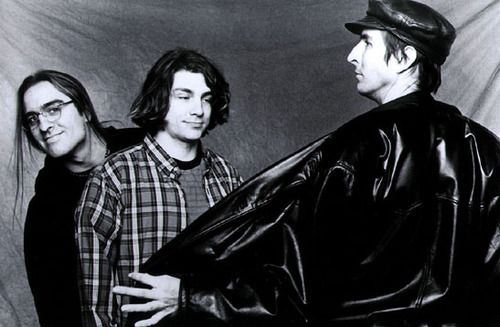
Primus sucks! Once upon a time, in 1984, mild-mannered Californian Les Claypool wanted to put a band together. After about 1,000 lineup changes, the first incarnation of Primus as we truly know it was stabilized. Les Claypool on vocals and bass, Larry LaLonde (of Possessed, the first ever death metal band!) on “lead” guitar, and Tim “Herb” Alexander on drums. The band’s vision and progression was largely funded by Claypool’s father in the early days, but eventually these guttersnipes made it big and, now, Primus is an important band in the development of ’90s funk metal, for better or for worse. Claypool’s signature clown voice and bass virtuosity steal the show often and unapologetically, but LaLonde and “Herb” ain’t slouches either. Far from it. It’s clear that pure talent is required to make Primus’ unimitated, unduplicated sound work, and they succeeded in spades! If any element was askew, no one would probably have ever known these guys. That’s a fact, Jack.

The above band photo is also my all-time favorite band photo in history. It’s simply perfect.

Primus’ Bandcamp page

JUMP TO:
(1990) Frizzle Fry
(1991) Sailing the Seas of Cheese
(1993) Pork Soda
(1995) Tales from the Punchbowl


Frizzle Fry (1990) – Rating: 9/10
Click Here for the Full Album Review

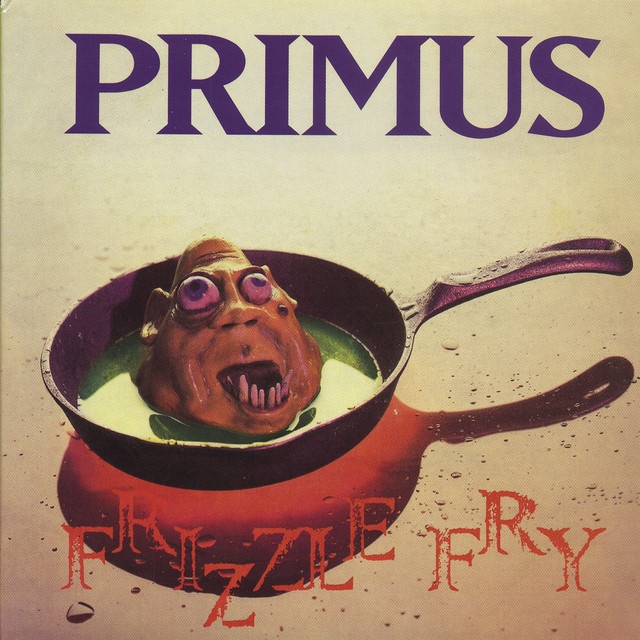
Primus - Frizzle Fry

First studio album Frizzle Fry isn’t even Primus’ first release. Their live album Suck on This was released a year earlier in 1989. Five tracks from their live sets were rehashed for the studio, five brand new songs were written and recorded, and there are also two little vignettes and a reprise. And there you have Frizzle Fry.

Excellent debut, at any rate! Their approach to mixing was, uhm, unique. Claypool’s bass is front and center and LOUD while LaLonde sounds like he’s shredding his guitar next door. Tim “Herb” “Frank” “Butch” Alexander goes nuts with the drums. Funky bass, thrashy guitar, and jazz drumming, all three members are constantly doing something interesting. Add in Claypool’s extremely goofy, high-pitched drawl and this album is unlike anything, and I mean anything, that has come before it. The band wears their influences on their sleeves (Claypool’s big influence was Rush, LaLonde’s was King Crimson and Joe Satriani), and the way they were able to make such disparate styles work together is amazing. It sounds like it shouldn’t work, it CAN’T work, but it does. Frizzle Fry is truly a miasma of funk, punk, jazz, and progressive alternative rock/metal.

This album contains the most clear-cut melodies and the least avantgarde playing, at least from Claypool, of the first three classic Primus records. All of the songs have distinct personalities dictated by the distinct basslines. LaLonde is sawing his guitar in half in the background for most of this record, but you won’t even really notice that much unless you yourself are a lead guitar player kind of person, in which case you’ll be a little bit annoyed. But fuck you.

Highlights are everywhere. The incredible opener “To Defy the Laws of Tradition” couldn’t be a more perfect start to the album, and it can be mind-blowing for the uninitiated. Don’t forget, this was the year songs like Phil Collins’ “Another Day in Paradise” and Billy Idol’s “Cradle of Love” were topping the charts. Most tracks are great; “Groundhog Day”, “Too Many Puppies”, “Mr. Knowitall”, “John the Fisherman”, “The Toys Go Winding Down”, and “Harold of the Rocks” are indispensable. There’s a little lull with the small vignette pieces, and “Spegetti Western”, albeit hilarious (“I like spaghetti westerns/I like the way the boots are all reverbed out/Walking across the hardwood floors“), it runs a little too long.

Also, Les Claypool isn’t as good at the bass yet as he will be, so it ain’t a perfect album. BUT, this is easily my favorite of the first three records any day of the goddamned week!


Sailing the Seas of Cheese (1991) – Rating: 8/10
Click Here for the Full Album Review

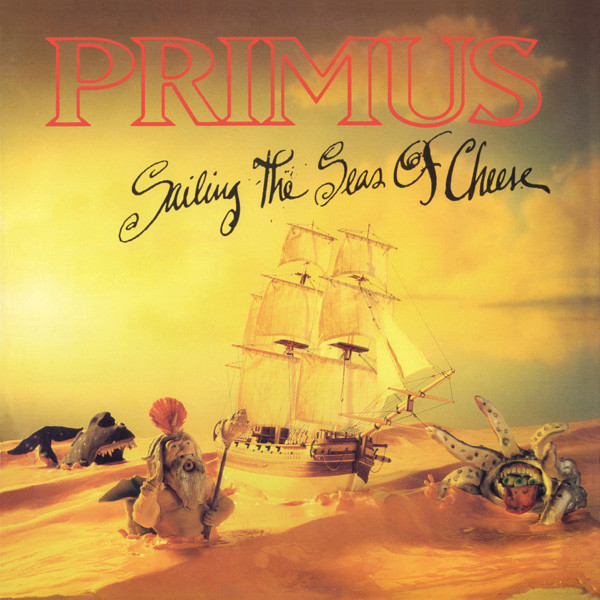
Primus - Sailing the Seas of Cheese

This album is hailed as a classic, but don’t expect anything life-changing, or blissfully cathartic, or profound. It’s just fun music! Primus have upped the ante on their second album, and I’m sure money had a lot to do with it. The band has money now, this is a major-label debut on Interscope! Interscope Records! Lady Gaga! Billie Eilish! Maroon 5! Eww.

A lot of Sailing the Seas of Cheese is familiar territory: Claypool’s bass, strange lyrics, goofy singing, LaLonde’s fuzzy Robert Fripp-like guitar playing. The difference now is the bass parts are observably more technical, with frenzied workouts that often sound like Claypool is whacking the neck more often than not. Sometimes it doesn’t even sound like bass! While the bass on Frizzle Fry serves mostly to add heaviness to the funky beats, the bass on Sailing the Seas of Cheese serves mostly to just show off Claypool’s mastery of the instrument. Not a bad thing, he’s very good, and his playing style is quite original and interesting, to say the least. Everything whizzes by so fast, though, that the melodies themselves get lost in the whirlwind at times.

Blah blah blah bass bass bass bass bass. This stuff rules hard, ’nuff said! Highlights include the weirdo waltz of “Here Come the Bastards”, the grating herky-jerky “Is It Luck?” (which also displays Claypool’s lightning quick vocal delivery; I love the “No no-no-no no-no no-no no-no-no no-no no-no no-no-no!” during the bridge), and, obviously, the classic “Jerry Was a Race Car Driver”, which you may have heard for the first time on the first Tony Hawk’s Pro Skater video game if you were a skuzzy skankin’ kid in the late ’90s like I was! “Tommy the Cat” even has guest vocals by Tom Waits! The last two big epics, “Those Damned Blue-Collar Tweekers” and “Fish On” hearken back to the slow Frizzle Fry grooves.

So, yeah, my only issue then is that the extra virtuosity = sameiness. It’s my problem with Pork Soda too. But, hey, I love throwing this on once in a while. I just don’t do it that often.


Pork Soda (1993) – Rating: 8/10
No Full Album Review Yet

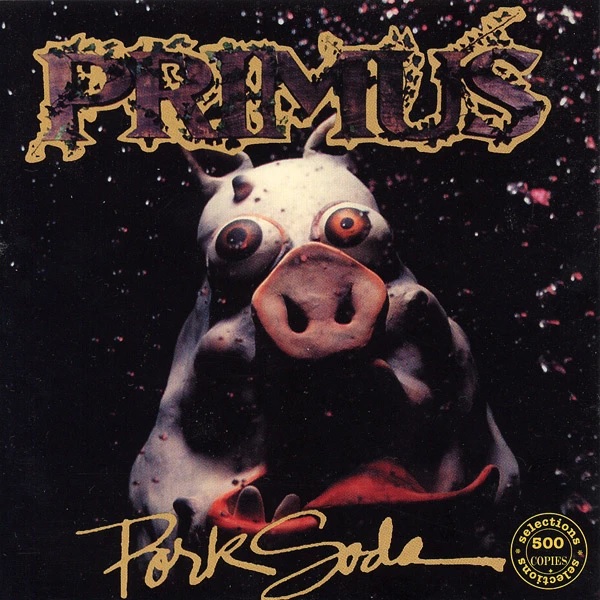
Primus - Pork Soda

As if it were even possible, the band gets even more esoteric with their sound. Pork Soda represents the limit to which Primus could have progressed on this path (well, I’m assuming, only because it never progressed further than this in reality). If Frizzle Fry was the band’s exercise in funky accessibility, and Sailing the Seas of Cheese was the band’s exercise in melodic virtuosity, then Pork Soda is the band’s exercise in avantgarde technicality. It could’ve even gotten more avantgarde than this, honestly. If only!

Claypool’s bass gets even more staccato and stompy. LaLonde’s guitar gets even more scrape-y and sludgy. Herb pummels and plods along on his kit. The culmination of all this happens on the 8-minute jam “Hamburger Train”, in which the band essentially freaks out for a while. But before we get to that, we have song after song of demented, unhinged melodies driven by carnival horror basslines! Extra virtuosity = sameiness yet again, and lot of these melodies leave your brain when you’re done listening, but a lot of this is so unique and entertaining in the moment that’s it’s a wash. At least it is for me. Highlights include “My Name is Mud”, which was a fairly successful single that peaked at Billboard’s #9, “DMV”, an anxious and hammering ode to the soul-crushing banality of an errand at the DMV, and “Mr. Kinkle”, with its psychedelic breakdowns and crunchy riffs.

This is Primus at its most musically inaccessible. Even once you acquire the taste, it’s hard to handle too much of this music in one big session. Get high and break it up into chunks, my dudes! Lose yourself in the mess that is “Hamburger Train”. Treat yourself one in a while.


Tales from the Punchbowl (1995) – Rating: 8/10
No Full Album Review Yet

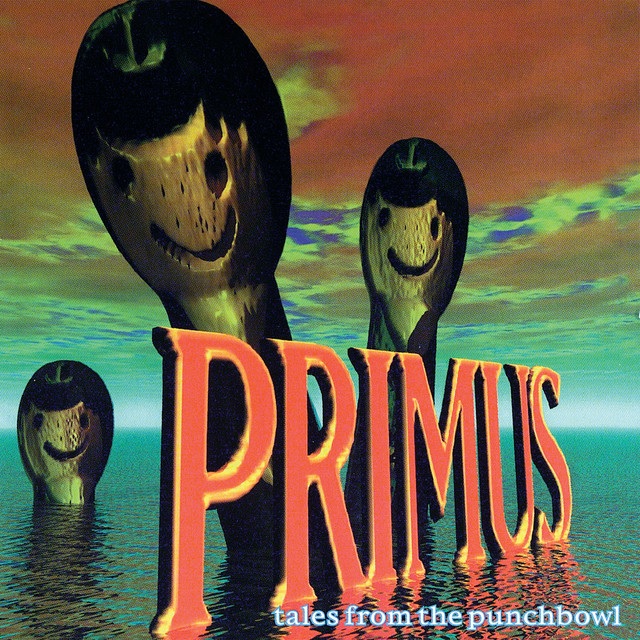
Primus - Tales from the Punchbowl

Often overlooked compared with what has been released thus far. This album is every bit as worthy as the Holy Trinity, as it were, that comprises the first three albums. What makes Tales from the Punchbowl polarizing for fans is that the “weirdness” is starting to seem a little more, well, normal. It’s almost like Claypool made a decision to focus less on bass gymnastics and more on songwriting. Some prefer bass gymnastics at the forefront with their Primus, but this album is full of varied and good songs, so if the songs are good then who gives a shit, says I?

The melodies and guitar-work are still as looney as ever, proving that Claypool, LaLonde, and Herb as a unit are still near-unstoppable when it comes to churning out the goods. Not anymore, though, does the band’s sound seem hazy and messy. There’s a focus and a tightness hitherto unknown since the days of Frizzle Fry, but I think this record suffers from being a bit too long and from the slight lull in the middle. There are some really kickass tracks here to make up for whatever problems I might have, such as the one the band’s biggest hits and most well-known songs “Wynona’s Big Brown Beaver” (which is, reportedly, not about Winona Ryder and her big brown beaver so stop talking about Winona Ryder and her big brown beaver, this song is about some other Wynona with a big brown beaver and not about Winona Ryder and her big brown beaver, thank you very much), and the irresistibly eerie, downtempo groove of the anti-poaching anthem “Southbound Pachyderm”. And, of course, “Professor Nutbutter’s House of Treats” kicks the album off proper with a 7-minute ode to some twisted Willy Wonka figure.

This would be the last album with Herb on the drums until 2014, and his departure was described as somewhat bittersweet and tense for the band at the time. He gives it his all on Tales from the Punchbowl as his swansong, and his incredibly tight jazz drumming style will be missed. Don’t sleep on this one, friends.

PAGE IN PROGRESS – TO BE CONTINUED
Sleater-Kinney, Born of Osiris, and Viagra Boys

This week I have new releases from Sleater-Kinney, Born of Osiris, and Viagra Boys! Three music bands that play notes and songs! Dig in!


Sleater-Kinney – Path of Wellness
(June 11, 2021)

Sleater-Kinney - Path of Wellness

I feel kind of bad for Sleater-Kinney. They put out seven great albums in a row between 1995 and 2005, took a 10-year hiatus, came back in 2015 with No Cities to Love (which was every bit as great as anything else they put out before), and then things turned to shit. Janet Weiss quit under less-than-congenial terms before the release of their 2019 album The Center Won’t Hold, which was obviously marred by tensions within the band. And now the band is trying to forge ahead, but it’s just not right anymore. There’s a stain there that’s too big to pretend away.

I’m an apologist for their panned 2019 album. While I agree that it was the worst one to date, I think it’s better than people say. Even I can’t even argue that the band’s identity seemed to be starting to deteriorate, though. Path of Wellness solidifies the obvious collapse. There’s absolutely nothing here worth hanging on to. They sound tired, like they don’t really have much passion about their own message anymore. The music is lazy and complacent. Their lyrics seem uninspired and they don’t break any new ground. “Complex Female Characters”, for example, repeats the snarky “I like those complex female characters/But I want my women to go down easy“, but it lacks the world-weary anger and the sneer that usually accompanies lines like these. The point there is clear, that a woman in this world can never be or do enough to not face criticism on either side of the coin. And the irony for me here, as a man, is that this band isn’t doing enough right now to not face criticism from me either. Trust me, the irony is not lost on me. I hate even writing it.

I just think that, at a time now when we need the fiery feminist message from Sleater-Kinney more than ever, they’re not delivering it anymore. They’ve become irrelevant. And I feel kind of bad for Sleater-Kinney, because they could have a perfect career and now they’re in the middle of this downfall that’s going to start defining them.

Early Verdict:


Born of Osiris – Angel or Alien
(July 2, 2021)

Born of Osiris - Angel or Alien

This is a funny situation. Born of Osiris released their fifth album The Simulation in early 2019, intending it to be the first of a two-part series with the second album coming out later in 2019. It never happened, and there was no explanation or any real discussion about it whatsoever. Now, again, in 2021, the band says they have two albums planned for this year and Angel or Alien is the first. Hmm. Yeah, we’ll see.

A million bands come out every single day that sound like Born of Osiris. The chaotic midwestern metalcore band combines deathcore vocals, djent-style palm-muted riffs, progressive song structures, and colorful sci-fi industrial electronics. For what they do, the band is pretty good at it sticking with their established formula of incorporating Egyptian scales to match their name and their musical themes. As usual with metal, I find it hard to judge individual songs for their merits and their deficiencies since, especially here, every song is similar to each other and the album as a whole sounds like the rest of the Born of Osiris albums.

Here’s what I can say: Angel or Alien is not monotonous, and even though a lot of the record is travelling at the speed of light, there are areas of clean vocals and slower, moodier phrases to add some contrast to this weighty 55-minute slab of mathcore. While I’m not really getting anything from it on an emotional level, on an intellectual level it’s fairly stunning and somewhat unique. If nothing else, the music is able to transport you to a slightly unworldly landscape, albeit only temporarily, and that’s actually pretty hard to do effectively for any science fiction-themed metal (adjacent) band. When I get an itch for some progressive metalcore, I find that throwing a Born of Osiris album on will scratch that particular itch. I give Angel or Alien a net positive and it’s a worthy addition to the band’s consistent discography.

Early Verdict:


Viagra Boys – Welfare Jazz
(January 8, 2021)

Viagra Boys - Welfare Jazz

Ayyyyy, finally getting around to listening to and reviewing one of the first really good albums released in 2021!

Viagra Boys are like if Monster Magnet was a little more cerebral, introspective, and self-aware…but just as sleazy and gross. If Monster Magnet says “I’m gonna fuck you, girl, and drop you by the curb!”, Viagra Boys kind of says “I’m gonna fuck you, girl, and drop you by the curb…but I’ll probably still feel bad about it in 5 years!”. Stylistically, it’s Sweden’s answer to Protomartyr. This is the quintessence of modern stoner punk.

Welfare Jazz is Viagra Boys’ second album, and it’s better than the first (Street Worms) because there’s progression! The music is more complex, with intricate, atonal instrumental flourishes (whether it’s electronic noises or it’s sax-y squonks and flute-y trills) and diverse use of musical styles that run the gamut of cowpunk, country, synthpop, and blues. The lyrics, while not necessarily more sophisticated, are at least more personal and contemplative; Sebastian Murphy, the vocalist, has really gone through some shit and yearns to free himself from his past. It’s relatable and endearing in a scummy way, I suppose. Lines like these from the penultimate track “To the Country”, “Out on the country, we could live like normal people/I could get a driver’s license, drive you around to see things/And out on the country, we’d be real nice to each other/I wouldn’t scream and yell and ramble about my problems“, are honest and pitiful, but there’s a snarky sense of humor throughout that always, always, always buoys the spirits even if the words and the music don’t seem to.

This is a great album in all respects. Are there any other big names coming out of the Swedish post-punk scene these days? I have a feeling these Viagra Boys will end up being influential.

Early Verdict: